Kategorie: Film production / Converting

In addition to the usual mechanical tests, special tests for special applications are increasingly playing a role here. If the film is smooth enough, it is suitable for the machine type for processing. We provide answers to these complex but simple-sounding questions.

  • Dart Drop Testing: How Impact-Resistant Are Plastic Films Really?

    Dart Drop Testing: How Impact-Resistant Are Plastic Films Really?

    Why impact resistance is an important quality feature and what role it plays in product standards

    Plastic films must withstand a wide variety of mechanical stresses in practical use. During processing, packaging, transport, and storage, sudden forces can act on the film. An impact against the packaging or a falling object can be enough to damage a film. Especially with thin films, the question arises as to how resistant the material is to such dynamic stresses.

    An established method for examining this property is the dart drop test according to DIN EN ISO 7765-1. It makes it possible to determine the impact resistance of plastic films under defined conditions and to compare different materials with one another. In addition, the method is also applied in product standards.
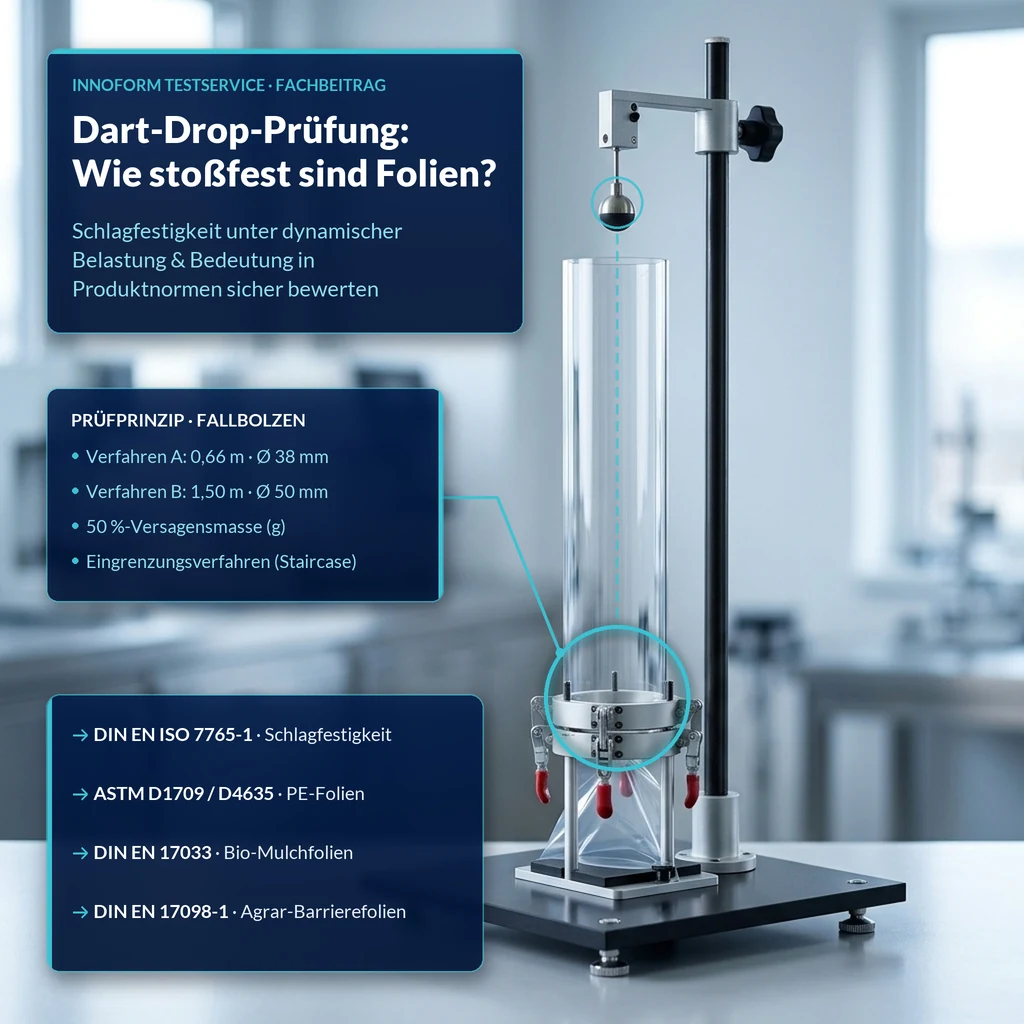
    Innoform Testservice laboratory visual on the dart drop test according to DIN EN ISO 7765-1 on a falling dart tester: Illustration of Methods A (0.66 m drop height, 38 mm dart) and B (1.50 m drop height, 50 mm dart), the staircase method, as well as relevant standards such as ASTM D1709, ASTM D4635, DIN EN 17033, and DIN EN 17098-1.
    Dart drop testing according to DIN EN ISO 7765-1 at Innoform Testservice: Determination of the 50% failure mass of plastic films using the staircase method (Methods A and B) as a supplement to tensile and puncture tests as well as product standards.

    What is measured in the dart drop test?

    In the dart drop test, a dart with a hemispherical head is dropped from a specified height onto a clamped film sample. The test examines whether the film withstands or fails under the sudden impact load.

    The test is carried out according to DIN EN ISO 7765-1 using the so-called staircase method. Here, the mass of the dart is modified incrementally. After each test, the mass is adjusted depending on whether the sample failed or not.

    The result obtained is the dart mass at which statistically 50% of the tested samples fail. This value is usually stated in grams.

    The standard distinguishes between two test methods:

    • Method A: Drop height 0.66 m, dart diameter 38 mm
    • Method B: Drop height 1.50 m, dart diameter 50 mm

    The choice of method depends, among other things, on the expected resistance of the film. Results from the two methods must not be compared directly with one another.

    A higher dart drop value means that the film withstands greater impact stress under the respective test conditions.

    Why is the dart drop test particularly practical?

    Many mechanical test methods examine the behavior of a material under a slowly increasing load. These include, for example, tensile tests or quasi-static puncture tests.

    In practical applications, however, sudden impact loads frequently occur.

    An example is a film bag filled with products hitting an edge during transport. High mechanical stress can also occur briefly during filling, stacking, or handling of packaging.

    The dart drop test simulates such dynamic loading under reproducible conditions.

    This makes it particularly relevant for evaluating:

    • Packaging films made of PE-LD, PE-LLD, and other polymers
    • Pouch and sack films
    • Transport and protective packaging
    • Agricultural films
    • Films with increased requirements for mechanical resistance

    However, it must be taken into account that the test simulates a defined, localized impact load on a flatly clamped film. The actual behavior of a finished package also depends on its geometry, the heat seals, the contents, and the specific load conditions.

    The dart drop test is therefore a practical method for material evaluation, but it does not replace application-specific testing of the finished packaging.

    Dart drop as a tool for comparing different films

    A particular strength of the dart drop test lies in the direct comparison of different film qualities.

    When developing new formulations or switching raw materials, the question frequently arises as to whether a change in material composition affects mechanical durability.

    Here, the dart drop test can provide valuable information.

    For example, the following questions can be investigated:

    • How does impact resistance change when using different PE grades?
    • What are the effects of a modified formulation?
    • How do films with and without recyclate content differ?
    • What influence do processing conditions and film orientation have?
    • Can a film maintain sufficient impact resistance when thickness is reduced?

    Is a thicker film automatically more impact-resistant?

    In principle, film thickness influences impact resistance. However, there is no universally linear relationship between the two parameters.

    Therefore, a film that is twice as thick does not necessarily have twice the dart drop value.

    In addition to thickness, factors such as polymer structure, material composition, manufacturing conditions, and film orientation influence the result.

    For a meaningful material comparison, films of similar thickness should therefore ideally be tested under identical test conditions.

    Particularly in the development of thinner packaging films, the dart drop test can help identify potential changes in mechanical strength.

    What significance does dart drop have in product standards?

    The dart drop test is not exclusively a method for research and development. It is also referenced in various standards for plastic films.

    A distinction must be made between a test standard and a product standard.

    DIN EN ISO 7765-1 describes how impact resistance is to be determined.

    Product standards, on the other hand, can specify which properties certain films must exhibit and which test methods are to be used for their evaluation.

    Examples include:

    ASTM D4635: PE films for packaging applications

    ASTM D4635 describes requirements for low-density polyethylene films (LDPE and LLDPE) for general applications and packaging purposes.

    In addition to properties such as tensile strength, friction behavior, and sealability, impact resistance is also considered. The test method used here is ASTM D1709, the American counterpart to the dart drop test.

    The standard shows that impact resistance can play an important role when specifying packaging films.

    DIN EN 17033: Biodegradable mulch films

    Mechanical resistance is also important for agricultural films.

    DIN EN 17033 addresses biodegradable mulch films for use in agriculture and horticulture. It contains requirements for various material properties and incorporates impact resistance testing according to DIN EN ISO 7765-1.

    DIN EN 17098-1: Barrier films for soil fumigation

    For barrier films used in agricultural applications, mechanical requirements must be taken into account in addition to barrier properties.

    DIN EN 17098-1 also refers to the testing of impact resistance according to DIN EN ISO 7765-1.

    These examples illustrate that the dart drop test is not only used as a comparative laboratory test, but also plays a role in the normative evaluation of certain film products.

    Which specific requirements apply depends on the respective product standard, its edition, and the intended field of application. Not every standard listing a test method automatically prescribes a uniform minimum value for all films.

    Why is a tensile test alone not sufficient?

    Tensile strength and elongation at break are among the most frequently determined mechanical properties of plastic films.

    They provide important information about how a material behaves under increasing tensile stress.

    In contrast, the dart drop test examines the behavior under rapid, localized impact stress.

    Both test methods therefore consider different mechanical properties.

    A film with high tensile strength does not necessarily possess particularly high impact resistance. Conversely, a film with comparatively low tensile strength may show favorable behavior under sudden impact stress.

    For a comprehensive mechanical characterization of packaging films, it is therefore advisable to combine different test methods with one another.

    In addition to the dart drop test, methods such as tensile testing, tear resistance testing, and puncture resistance testing can provide important additional information.

    What does this mean for quality assurance?

    The dart drop test is particularly suitable for comparative studies and monitoring consistent material properties.

    For regularly produced film grades, changes in impact resistance can, for example, provide indications of variations in raw material composition or the manufacturing process.

    The test can also be used as part of a comparative material assessment when changing a raw material supplier or implementing new formulations.

    What is crucial here is that the test conditions are comparable.

    In addition to the selected method, film thickness, sample preparation, and conditioning should be taken into account in particular.

    A single dart drop value should therefore not be viewed in isolation. Its significance arises primarily in connection with other material parameters and the requirements of the final application.

    Conclusion: A simple test with high practical relevance

    The dart drop test provides important information on the resistance of plastic films to sudden mechanical stresses.

    Due to the standardized test conditions, different film qualities can be compared in a targeted manner and changes in material properties can be investigated.

    Its inclusion in various product standards underlines the importance of impact resistance as a quality feature.

    The test is particularly valuable because it investigates a type of stress that can also occur in practical packaging handling.

    Anyone wishing to evaluate plastic films with regard to their mechanical performance should therefore not look exclusively at tensile strength and elongation at break. Impact resistance according to the dart drop method provides important complementary information.

    Having impact resistance tested at Innoform

    Innoform Testservice offers accredited determination of the impact resistance of plastic films according to DIN EN ISO 7765-1.

    Whether material comparison, formulation optimization, or quality assurance: the test helps manufacturers and converters better understand the mechanical behavior of their films and evaluate different materials under defined conditions.

    List of Sources and Literature (Standards & Regulations)

    • DIN EN ISO 7765-1: Plastics film and sheeting – Determination of impact resistance by the free-falling dart method – Part 1: Staircase methods.
    • ASTM D1709: Standard Test Methods for Impact Resistance of Plastic Film by the Free-Falling Dart Method.
    • ASTM D4635: Standard Specification for Plastic Films Made from Low-Density Polyethylene and Linear Low-Density Polyethylene for General Use and Packaging Applications.
    • DIN EN 17033: Plastics – Biodegradable mulch films for use in agriculture and horticulture – Requirements and test methods.
    • DIN EN 17098-1: Plastics – Barrier films for agricultural and horticultural soil disinfection by fumigation – Part 1: Specifications for barrier films.
    Further Reading

  • IFS food packaging guideline now also available in German

    IFS food packaging guideline now also available in German

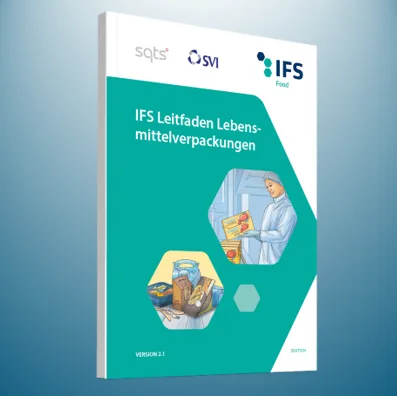
    The IFS Packaging Guideline (Version 2.1), originally published in 2024, is now also available in German. The guideline makes it easier for German-speaking companies to access key information and practical recommendations on the safety of food packaging.

    Key facts at a glance

    • The IFS Packaging Guideline v2.1 is now also available in German.
    • It is aimed primarily at food manufacturers and strengthens collaboration along the supply chain.
    • It is based on IFS Food Version 8; for packaging manufacturers, IFS PACsecure is additionally decisive.
    • Its focus is European legislation – national regulations must be considered in addition.
    • Innoform contributed to the guide with technical comments and suggestions for improvement.

    Who is the guideline for?

    As stated in its introduction, the publication is aimed primarily at food manufacturers. The goal is to strengthen collaboration within the supply chain, support the provision of safe products and make responsibilities along the value chain more transparent.

    The requirements in IFS Food Version 8 and in this guideline affect manufacturers of packaging materials primarily indirectly. For packaging manufacturers, IFS PACsecure is particularly decisive. Nevertheless, essential content and fundamental requirements from it have been integrated into this guideline in order to foster a shared understanding across the supply chain.

    What does the guideline focus on?

    The guideline focuses on the requirements of European legislation. In addition, individual EU member states may have further national regulations that must also be taken into account. Companies outside the European Union can likewise use the guideline as a valuable point of orientation. However, the applicable national legislation always remains decisive.

    👉 The guideline offers companies in the food and packaging industry practical support for implementing regulatory requirements and for promoting a safe and transparent supply chain.

    Innoform actively supported the development of the IFS guideline and was able to contribute its long-standing expertise through technical input and comments.

    Frequently asked questions about the IFS guideline

    What is the IFS Packaging Guideline?

    The IFS Packaging Guideline (currently Version 2.1) is a guideline issued by IFS that brings together practical recommendations and requirements on the safety of food packaging. It helps companies implement regulatory requirements consistently along the supply chain. Available since 2024, it is now also provided in German.

    Who is the guideline for?

    Primarily for food manufacturers. The aim is to strengthen collaboration in the supply chain, support the provision of safe products and make responsibilities more transparent. Manufacturers of packaging materials are usually affected indirectly.

    What is the difference between IFS Food Version 8 and IFS PACsecure?

    IFS Food Version 8 is the standard for food manufacturers and affects packaging-material manufacturers only indirectly. For packaging manufacturers themselves, IFS PACsecure is decisive. Essential content from PACsecure has been integrated into the guideline to foster a shared understanding across the supply chain.

    Which legal requirements does the guideline cover?

    It focuses on the requirements of European legislation for food contact materials. In addition, individual EU member states may have national regulations that must be considered as well.

    Can the guideline be used outside the EU?

    Yes. Companies outside the European Union can also use the guideline as a valuable point of orientation. However, the applicable national legislation always remains decisive.

    Where can I obtain the German edition of the guideline?

    The IFS Packaging Guideline v2.1 is available for download as a PDF on the IFS website – now also in German. You can find the direct link at the top of this article.

    What role did Innoform play in the guideline?

    Innoform actively supported the development of the guideline and contributed long-standing expertise through technical input and comments. The Innoform Testservice also supports companies with conformity testing of food contact materials.

    Related articles

  • Precise OTR analysis for high-barrier packaging

    Precise OTR analysis for high-barrier packaging

    At a glance

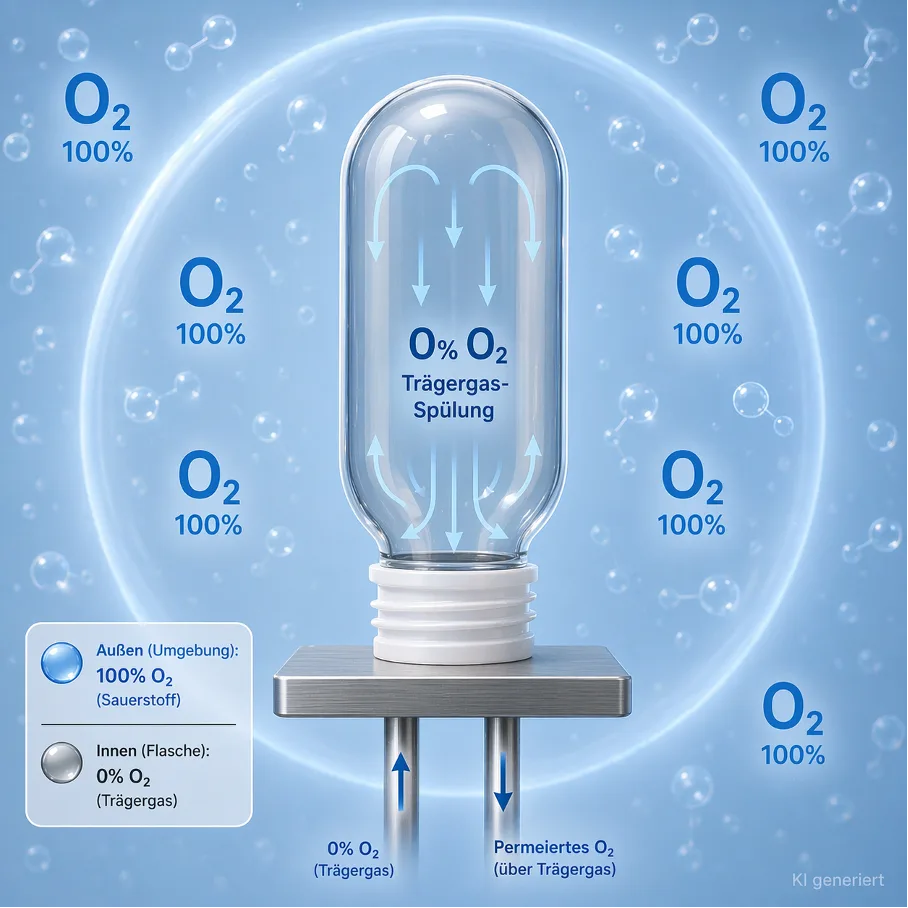
    INNOFORM Testservice extends the OTR measurement according to ISO 15105-2 with a variant using 100 % oxygen as the permeant. This lowers the limit of quantification for oxygen transmission by a factor of 5 — a decisive advantage for high-barrier packaging in pharma, food and technical applications whose permeation rates can no longer be reliably resolved with standard tests (21 % O₂ from air).

    When standard methods are no longer enough for ultra-high barriers

    Precise measurement of the oxygen transmission rate (OTR) is becoming increasingly challenging for modern high-barrier packaging. Standard methods reach their limits with extremely low permeation rates. INNOFORM Testservice therefore extends the OTR test according to ISO 15105-2 by using 100 % oxygen — for significantly higher sensitivity and reliable measurement results even in the lowest measuring range.

    Extremely low oxygen transmission rates can hardly be measured under conventional test conditions — the measured flux lies close to the instrument’s quantification limit and the measurement uncertainty dominates the result.

    Our approach: more sensitivity through 100 % oxygen

    To reliably detect even the smallest permeation rates on finished packaging or closures, we deliberately use pure oxygen as the permeant in the test according to ISO 15105-2.

    The principle is simple — the effect is decisive:

    A significantly increased oxygen partial pressure raises the measurable flux without distorting the material behaviour.

    Your benefit: clarity where others hit the wall

    These optimised test conditions yield a quantification limit reduced by a factor of 5.

    For you, this means:

    • Reliable measurability of extremely low OTR values
    • Precise comparability of high-barrier materials
    • Sound decision basis for development and quality assurance

    In sensitive areas such as pharma, food or technical applications, this additional accuracy becomes a decisive competitive advantage.

    Conclusion

    With our extended OTR test, we create differentiation where standard methods are no longer sufficient and provide you with the data you need — for example, to calculate the best-before date of your packaged food products.

    Frequently asked questions about OTR measurement for high-barrier packaging

    What does OTR mean?

    OTR stands for Oxygen Transmission Rate — the oxygen permeability of a packaging material. It describes how much oxygen migrates through a film or packaging per unit area and time, usually expressed in cm³/(m²·d·bar). For high-barrier films, values are often below 1 cm³/(m²·d) — close to the resolution limit of classical methods.

    Why 100 % oxygen instead of ambient air?

    In atmospheric air, the oxygen partial pressure is around 0.21 bar. With pure oxygen, it rises to 1 bar — the driving concentration gradient is multiplied by five. Since permeation is proportional to the partial pressure difference (permeation mechanism), the measurable flux also becomes five times larger. The material-specific permeability remains unchanged; only the measurement signal moves clearly above the quantification limit.

    Which types of packaging benefit from the method?

    Especially high-barrier packaging for pharma, MAP food (modified atmosphere packaging), oxygen-sensitive diagnostics and technical applications. Typical examples: metallised laminates, EVOH-containing multilayers, SiOx- or AlOx-coated films and aluminium composite films — tested on finished pouches, bottles, cups and closures.

    Are the results still comparable with ISO 15105-2?

    Yes. The test is still performed according to ISO 15105-2; only the permeant concentration is raised to 100 % O₂. Climate, sampling and evaluation remain compliant with the standard. On request, we report the value both at 1 bar partial pressure and — via linear conversion — as an equivalent air value (21 % O₂), to ensure comparability with historical data and supplier specifications.

    Further Reading

  • Understanding the fat barrier of fibre-based packaging – why testing is crucial

    Understanding the fat barrier of fibre-based packaging – why testing is crucial

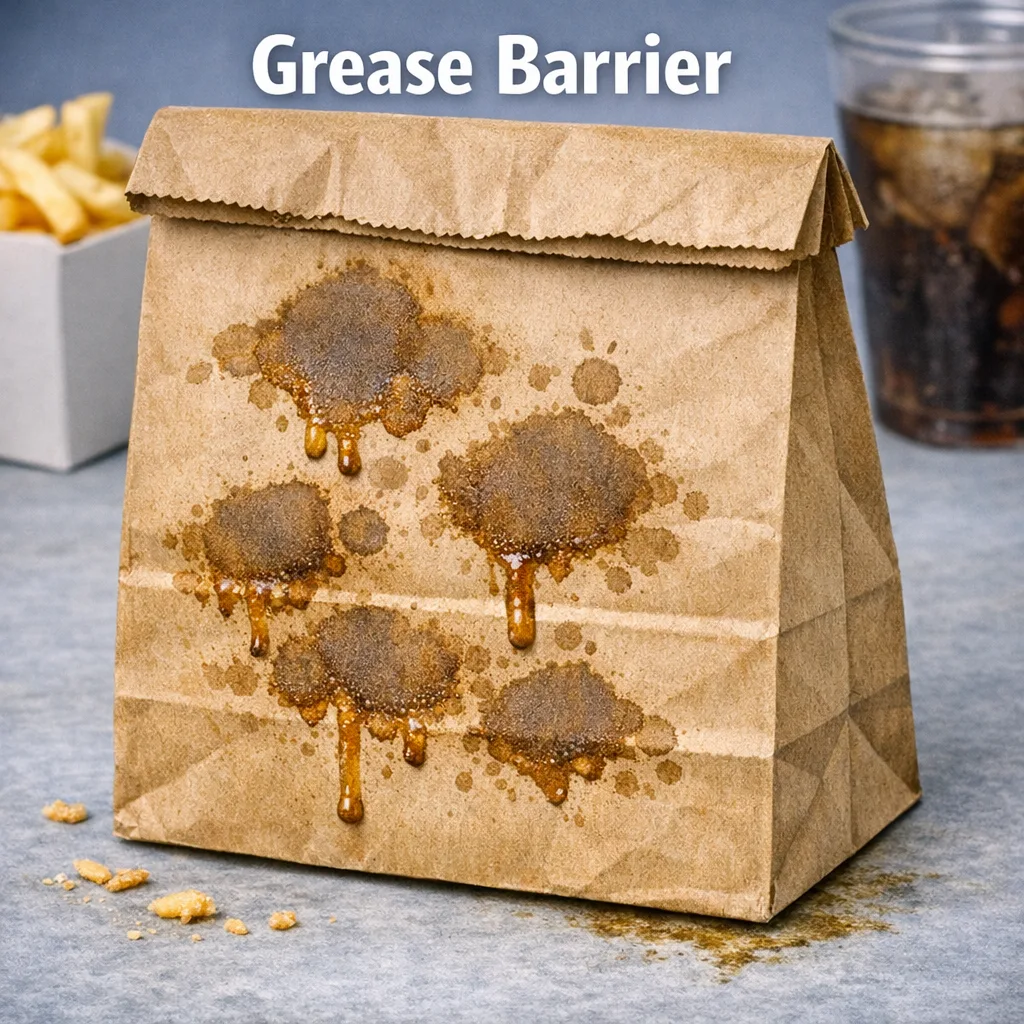
    Fatty foods pose particular challenges for packaging. Fats can penetrate materials, affect their appearance or cause problems from the very first contact. This is precisely why tests such as fat resistance, fat permeability and fat repellency play a central role – both in development and in quality assurance. 

    In this context, two fundamental perspectives can be distinguished: 

    • Barrier effect (fat resistance & fat permeability) → Behaviour within the material 
    • Fat repellency (lipophobia) → Behaviour on the surface  

    It is only the combination of these two approaches that allows for a realistic assessment. 

    Fat resistance and fat permeability: the barrier is the deciding factor in the long term.

    Together, fat resistance and oil permeability describe a material’s ability to retain oil and limit its passage.

    • Fat permeability indicates how easily and how quickly fat migrates through a material  
    • Fat tightness answers the question of whether this barrier is sufficient for the application  

    Why is this relevant? 

    In practical use, the main focus is on the long-term effect: 

    • Protection of the product throughout its entire storage period 
    • Prevention of grease migration and structural material failure
    • Ensuring the functional properties of the packaging 

    Key question: 
    Does the material reliably repel fat? 

    Oil repellency (KIT test) – the surface is the first point of contact

    Fat repellency describes the behaviour of fat on the surface of the material. 

    • Fat can either be rejected or 
    • it wets and penetrates  

    The KIT test provides a standardised assessment of this via a parameter (KIT level). 

    Why is this relevant? 

    The user interface often determines the first impression and short-term performance:

    • Preventing visible fat stains 
    • Impact on consumer perception
    • Protection against initial wetting and the resulting penetration

    Key question: 
    What happens when fat first comes into contact with the packaging? 

    Structure vs. surface – two sides of the same coin

    Property Fat tightness & permeability Fat repellency (KIT) 
    Focus Material structureSurface 
    Statement Migration patternsWetting resistance
    Time horizonLong-term reviewQuick test
    Meaning Functional barrierAppearance & First impression 

    Why both tests are necessary in practice

    A high KIT value alone does not guarantee high fat density. Fat behaviour is always the result of several factors – and that is precisely why it is so important to consider them together:

    • Good fat repellency can delay grease from sticking, but it cannot replace a barrier
    • Good barrier properties delay penetration, but do not necessarily prevent staining
    • Materials – particularly paper-based ones – often exhibit time-dependent behaviour  

    Typical practical implications 

    • Complaints: visible fat stains despite adequate protection
    • Quality issues: Fatting during prolonged storage, Sensory impairment
    • Process disruptions: Fat affects sealing, adhesion, mechanical stability or handling  

    This interaction is becoming increasingly important, particularly in the context of sustainable packaging solutions (e. g. paper-based systems).

    Classification by application 

    • Product development: 
      A combination of barrier assessment and surface analysis  
    • Quality assurance: 
      Clear requirements regarding grease density, supplemented by KIT values  
    • Material optimisation: 
      Targeted adaptation of coatings and structures  

    Conclusion

    The assessment of fat behaviour can be boiled down to two key questions: 

    • What happens within the material? → Oil resistance & oil permeability  
    • What happens on the surface? → Fat repellency  

    These two aspects are inextricably linked. Only by considering them together can we develop packaging that is both functional and visually appealing – from the very first encounter through to long-term use. 

  • Particle and Foreign Body Analysis

    Particle and Foreign Body Analysis

    Precise Characterization for Quality, Safety and Root Cause Clarification

    Particles and unwanted foreign bodies represent a significant quality and risk potential in the manufacture and processing of flexible packaging. Especially with polymer-based materials, multi-layer systems or functional coatings, even the smallest contaminations lead to functional failures, optical impairments or regulatory complaints. The systematic analysis of such anomalies is therefore a central component of modern quality assurance and damage investigation along the entire value chain.

    Definition: Particle vs. Foreign Body Analysis

    Particle analysis examines the size, shape, number and material properties of the smallest particles on or within a product. Foreign body analysis goes beyond this: it identifies substances that do not belong to the intended material composition. The goal is to clearly characterize the nature of the particles and precisely determine their origin. On this basis, causes can be narrowed down, process steps optimized and future deviations avoided.

    Systematic Microscopy at Innoform

    At Innoform, particle and foreign body analyses are performed using high-quality light microscopy systems that enable differentiated assessment. Each examination begins with systematic image documentation. First, overview images are created to capture the position, distribution and embedding situation of the anomaly in the overall context. This is followed by detailed microscopic examination at higher magnification. This two-stage approach ensures both classification within the sample matrix and precise analysis of morphological details.

    Preparation of Composite Materials and Cross-Sections

    Special importance is attached to sample preparation. If particles are enclosed in the matrix – for example in a plastic film, a coating or a complex composite material – the production of a cross-section is often required. Through targeted cutting technique or micromechanical preparation, the embedding situation is exposed. Interfaces, adhesion states and possible interactions between matrix and foreign body become assessable. Especially with multi-layer systems, the cross-section provides valuable indications of which process stage (e.g. extrusion or lamination) a contamination was introduced.

    Foreign bodies in flexible packaging and coatings
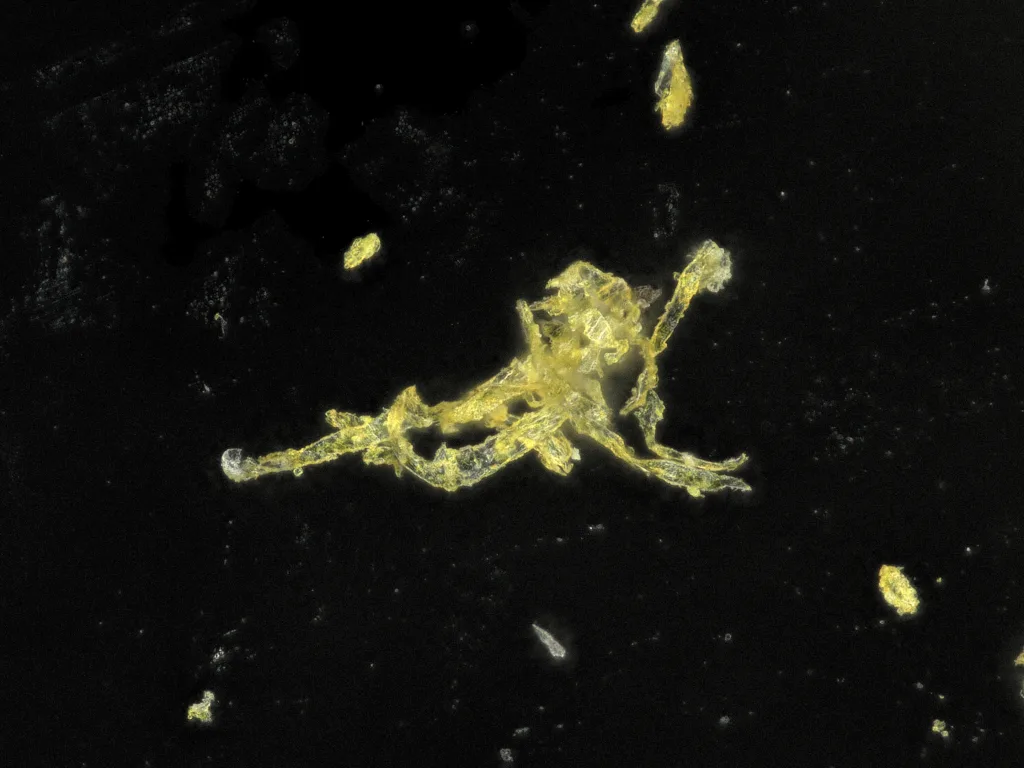
    Microscopic image of a foreign body

    Material Identification by Means of IR Spectroscopy

    Morphological examination is often only the first step. For identification of material composition, we use among other methods infrared spectroscopy (IR). It allows the determination of molecular structures based on characteristic vibrational bands. Innoform uses IR analytics in both reflectance and transmission mode. The choice of technique depends on the nature and transparency of the particle. By comparison with reference databases, organic materials – such as polymers, adhesives, coating components or external contaminations – can be clearly identified.

    Complementary Methods: Raman and Thermal Analysis

    In addition, Raman spectroscopy can be used. It offers high lateral resolution for the smallest particles and often allows analysis directly in the embedded state. The combination of IR and Raman spectroscopy significantly increases identification reliability. In special cases, thermal methods such as differential scanning calorimetry (DSC) provide additional insights into melting behavior or thermal stability. This is particularly helpful with polymeric foreign bodies to distinguish materials from one another or to obtain indications of additives.

    Conclusion: Process Safety for Converters and Fillers

    The strength of a well-founded analysis lies in the systematic combination of all information. Morphology, chemistry and thermal behavior yield a coherent overall picture. This enables conclusions about potential sources of entry – such as abrasion from machine components, contaminations from raw materials or residues from cleaning processes. This offers companies decisive advantages: complaints can be objectively evaluated and regulatory requirements, for example for food contact materials, can be reliably documented. Professional analytics is thus an indispensable instrument for securing product integrity.

  • New EU Rules for Food Contact Materials: Changes in the Plastics and Bisphenol Regulation

    New EU Rules for Food Contact Materials: Changes in the Plastics and Bisphenol Regulation

    With Regulation (EU) 2026/245, Annex I of the Plastics Regulation (EU) No. 10/2011 and thus the Union list of authorized substances is updated; Regulation (EU) 2026/250 corrects the regulation on the use of bisphenols (BPA)

    Background

    • The basis for the amendments to the Plastics and Bisphenol Regulation is the Framework Regulation (EC) No. 1935/2004 on materials and articles intended to come into contact with food.
    • In 2024, the European Food Safety Authority (EFSA) adopted several opinions on new substances, which, after scientific evaluation, were added to the Union list of the Plastics Regulation with restrictions. Furthermore, the designation and restriction of one substance was adjusted.
    • In the Bisphenol Regulation, inconsistencies and errors were corrected to ensure the proper functioning of the regulation

    Main Points of the Changes

    1. Regulation (EU) 2026/245: New or Modified Substance Entries in Annex I

    The regulation supplements or modifies several substance entries, including restrictions for these substances:

    SubstanceLimit / Restriction (Summary)Status
    Amines, Di-C14-C20-alkyl, oxidized, from hydrogenated tallow
    (FCM No 768)
    – fat-free food
    – max. 0.1% by weight in polyolefins or
    – max. 0.25% by weight in PE
    revised
    Amines, Di-C14-C20-alkyl, oxidized, from hydrogenated vegetable oil
    (FCM No 1092)
    – fat-free food
    – max. 0.1% by weight in polyolefins
    – max. room temperature incl. hot-filling for max. 2h at 100 °C
    – Not for infant formula and human milk
    new
    Phosphoric acid, triphenyl ester, polymer with 1,4-cyclohexanedimethanol and polypropylene glycol, C10-16 alkyl ester
    (FCM No 1084)
    SML 5 mg/kg (sum phosphite and phosphate)
    – max. room temperature incl. hot-filling for max. 2h at 100 °C
    – max. 0.15% by weight in polyolefins
    – Not for infant formula and human milk
    – Fraction < 1000 Da: max. 13% by weight
    new
    Calcium tert-butylphosphonate
    (FCM No 1089)
    – Nucleating agent
    – max. room temperature incl. hot-filling for max. 2h at 100 °C or 15 min at 130 °C
    – max. 0.15% by weight in polyolefins;
    – Not for infant formula and human milk
    new
    Wax, rice bran, oxidized
    (FCM No 1093)
    and
    Wax, rice bran, oxidized, calcium salt
    (FCM No 1096)
    – fat-free food
    – max. 0.3% by weight in PET, PLA, rigid PVC
    – max. room temperature incl. hot-filling for max. 2h at 100 °C
    new
    2,2′-Oxydiethylamine
    (FCM No 1094)
    SML 0.05 mg/kg
    – Comonomer (max. 14% by weight) with adipic acid and caprolactam or authorized homologues
    – PA films up to max. 25 µm
    – Oligomers < 1000 Dalton max. 5 mg/kg
    – Not for infant formula and human milk
    new

    2. Regulation (EU) 2026/250: Corrections in the Bisphenol Regulation (EU) 2024/3190

    • Clarification of definitions: The wording “BPA and its salt(s)” is deleted, as the term “bisphenol” by definition already includes the salt forms.
    • Addition (in Article 3(2)) that not only manufacturing in the EU, but also placing on the market in the EU of food contact materials using Bisphenol A is prohibited according to the regulation.
    • Article 9(2) clarifies that the analytics explicitly refer to “BPA residues”, as their presence is prohibited, and therefore an extraction method must be used.
    • In the transitional provisions (Articles 11 and 12), several date and wording errors in the original text were corrected.
    • Annex III clarifies that the declaration of compliance must state either the designation of semi-finished food contact materials or that of finished food contact articles

    3. Entry into Force

    • The regulations enter into force on the 20th day after publication in the Official Journal of the EU (on 23.02.2026).
    • It is binding in all Member States and directly applicable.

    Practical Significance

    Regarding the adjustments to the Plastics and Bisphenol Regulation, in our opinion there is no direct need for action for most companies, as these are additions and clarifications and no fundamental changes have been made.

    Plastics

    • For Amines, Di-C14-C20-alkyl, oxidized, from hydrogenated tallow (FCM No 768), the designation was changed, which has no impact on compliance. The restrictions have been textually harmonized; the quantities are identical, so in our opinion there is no direct need for action.
    • The newly added substances to the Union list may now be used in food contact materials with the specified restrictions. Prior to authorization, use would only have been permissible behind a functional barrier, so manufacturers already had to indicate the presence of these substances in old declarations of compliance.

    Products manufactured with bisphenols

    • For imported goods that may contain bisphenols, and in case of intentional use of bisphenols, review deadlines and requirements again
    • The declaration of compliance already had to be prepared for all materials mentioned in the scope of the regulation. The designation should possibly be adjusted.
  • Permeation on films: Are we sure that we are measuring under the right conditions?

    Permeation on films: Are we sure that we are measuring under the right conditions?

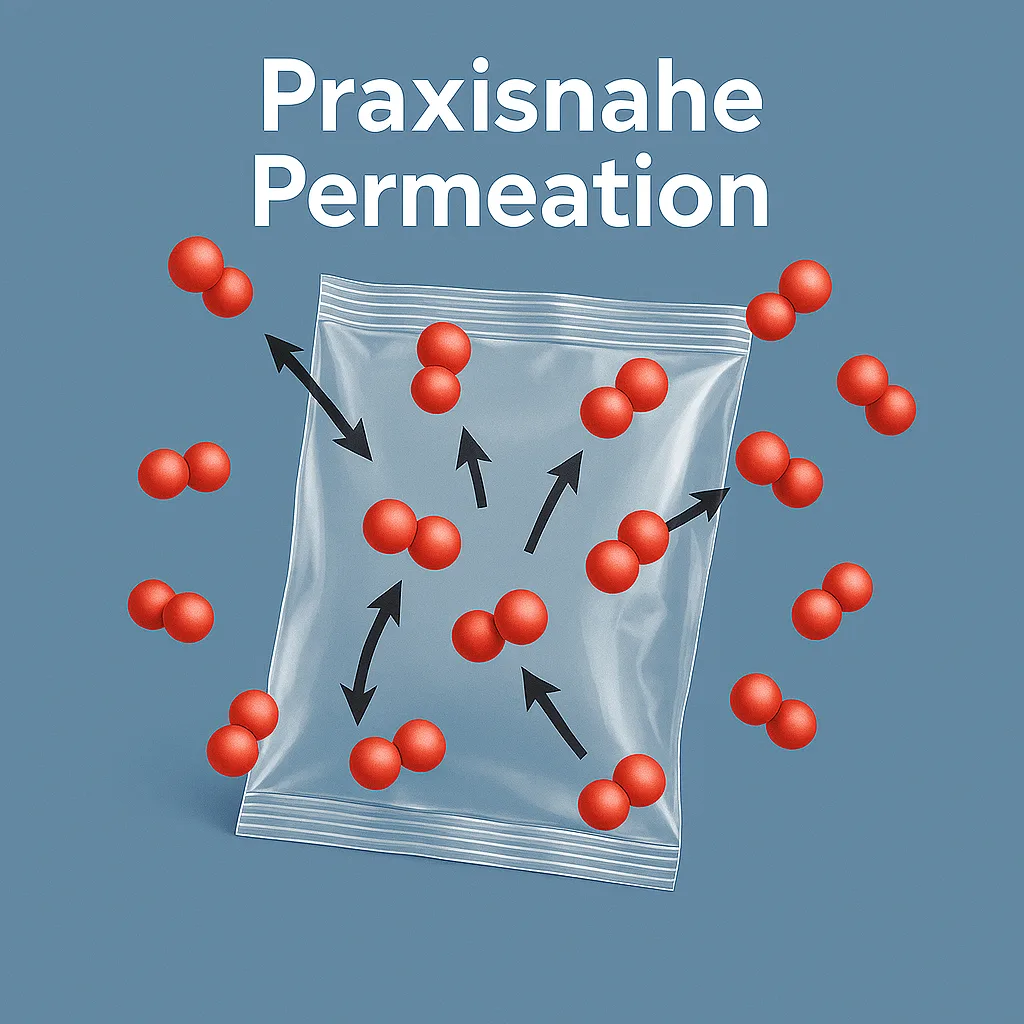
    In the laboratory, the world is clearly defined: Permeation measurements on packaging films are usually carried out at 23 °C and defined relative humidity levels, typically 50% RH or 85% RH. These conditions are established in standards (e.g. ASTM F 1927 (2014), ASTM D 3985 (2024), DIN 53380-3 (1998-07), for oxygen permeation) and are easily comparable and widely accepted in the industry.

    However, food is almost never stored in this way in practice. 
    Many products are stored for weeks or months in refrigerated shelves, in the freezer section or at moderate room temperatures, often with significantly lower humidity than in the standard climate. 

    The upcoming changes to packaging systems – such as PPWR, mono-materials and recyclability – mean that a key question must be answered:

    Are we actually testing our new, recycling-optimised packaging solutions under conditions that are truly relevant in practice?

    Standard conditions vs. practical reality

    Currently, “everyone” – as can be read in many specialist publications and newsletters – measures at 23 °C / 50 % RH or 23 °C / 85 % RH. These conditions are useful when it comes to comparability and worst-case scenarios.

    But anyone who takes a look at the actual logistics chains and storage conditions will quickly realise that:

    • Chilled products are often stored at around 4–8 °C and moderate humidity.
    • Some barrier concepts are less affected by humidity and temperature stress when transporting frozen products.
    • Even at room temperature, many applications tend to be around 20–22 °C, not 23 °C with 85% relative humidity.

    The consequence:
    It is important to note that any individual who evaluates packaging, particularly novel structures optimised for recycling, such as BOPP/PP copolymers, exclusively under “classic” laboratory conditions and compares it with established compounds, such as PET/PE runs, risks setting barrier requirements too high.

    The differences between ‘traditional’ high-barrier composites and new PPWR-compliant solutions are likely to be significantly reduced under milder, more practical conditions than is currently assumed.

    Focus on EVOH: When does moisture become truly critical?

    EVOH (ethylene vinyl alcohol) serves as a prime exemplar of the interplay between climate and barrier properties. EVOH is established as an oxygen barrier; however, it exhibits a pronounced moisture dependence:

    • At higher relative humidity, EVOH absorbs water.
    • the oxygen barrier deteriorates.
    • the measured OTR (Oxygen Transmission Rate) increases.

    The exciting question is therefore:

    How long does it take for an EVOH composite at 23 °C / 75 % RH to show a relevant change in OTR due to moisture absorption compared to 6 °C / 75 % RH?

    Applied to practice, this means:

    • Under refrigerator conditions (e.g. 6 °C), the “breakthrough point” – i.e. the point at which the oxygen barrier of an EVOH system becomes truly critical due to the effects of moisture – could potentially be well beyond the best-before date.
    • In other words: for many cooling applications, the theoretically possible deterioration of the barrier in standard climate conditions below 23/75 would be virtually irrelevant in the actual life cycle of the packaging.

    This thesis is highly relevant – especially if classic PET/PE composites are to be replaced by new, more recyclable structures. It also shows how important it is to parameterise permeation measurements not only in accordance with standards, but also in a practical manner.

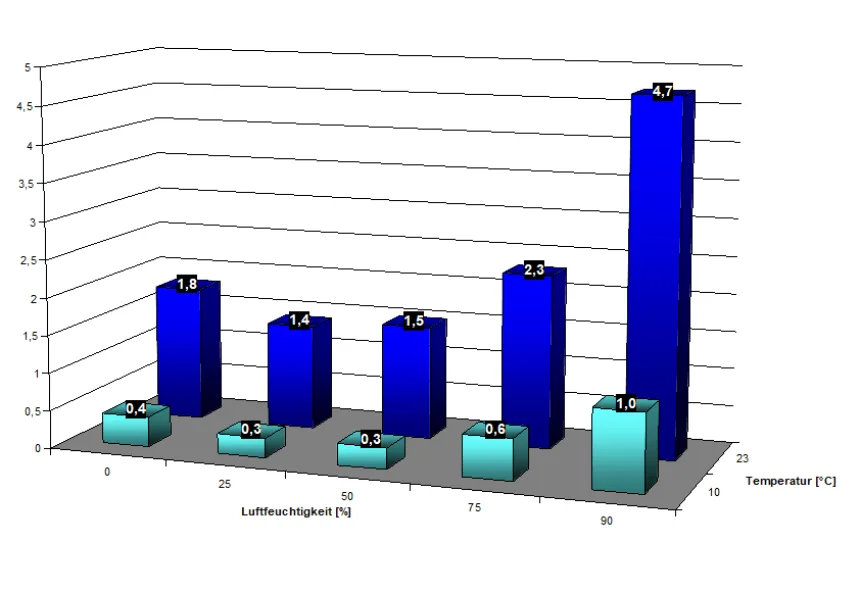
    Dependence of the permeation rate on different relative humidities and temperatures (source: ppg<) (Luftfeuchtigkeit: Humidity)

    Hygrothermal permeation measurements: A realistic look at new packaging systems

    In order to answer these questions in a well-founded manner, hygrothermal measurement series are required, i.e. systematic permeation measurements using different combinations of:

    • Temperature (e.g. 6 °C, 10 °C, 23 °C).
    • relative humidity (e.g. 50%, 75%, 85% RH).

    Modern measuring systems now make it relatively easy to map such climate profiles. When used in a targeted manner, this opens up new possibilities:

    • Simulation of realistic storage conditions for refrigerated and room temperature products.
    • Comparison of “traditional” and “PPWR-optimised” packaging under conditions that correspond to actual practice.
    • Determination of breakthrough times for EVOH or other barrier concepts over time and under varying climatic conditions.

    This could be used, for example, to investigate:

    • How does the OTR of an EVOH composite change over the storage period at 23/75 compared to 6/75?
    • At what point – and at what combination of temperature and humidity – does barrier deterioration become truly relevant for a specific product?
    • How do classic composites (e.g. PET/PE) fare in direct comparison to OPP/PP copolymer structures when considering not only extreme laboratory conditions but also the actual supply chain?

    Why this should be of interest to food manufacturers and packaging suppliers

    For food manufacturers and packaging suppliers, these questions are by no means academic. They concern very specific decisions:

    • Conversion of existing packaging systems from PET/PE or other traditional composites to more recyclable solutions, such as OPP/PP copolymer or other monomaterial concepts.
    • Definition of specifications: Which OTR and WVTR limits are really necessary if, for example, the product is stored in a permanently cooled environment?
    • Risk assessment: In which scenarios is a theoretically poorer barrier in the standard climate actually critical – and in which scenarios is it not?

    If it turns out that, under practical, milder conditions, the barrier differences between known and new, recyclable packaging are smaller than expected, this could:

    • accelerate the use of more sustainable packaging.
    • put excessive safety margins into perspective.
    • and objectify the discussion about “functional barriers vs. recyclability”.

    In short: Those who ask the right questions about permeation gain a head start in designing sustainable packaging solutions.

    Conclusion: Rethinking permeation measurement – in terms of practical application

    Permeation measurements at 23 °C and 50 or 85 % relative humidity remain important – they are established, comparable and enshrined in standards.
    However, given the profound changes in the world of packaging, it is no longer sufficient to focus solely on the regulatory environment.

    • Food is rarely stored at standard climate conditions.
    • Barrier concepts such as EVOH are sensitive to moisture – though the relevance of this sensitivity remains to be determined.
    • New PPWR-compliant packaging deserves to be evaluated under conditions that correspond to actual storage and transport conditions.

    Hygrothermal permeation measurements, in which temperature and humidity are varied in a realistic manner, offer significant added value here. They help to define barrier requirements realistically, conserve resources and, at the same time, ensure product safety and quality.

    This is precisely what food manufacturers and their packaging suppliers should be interested in, as it is crucial to avoid oversizing and the subsequent costs that arise from it. It is also an ideal field in which to fully exploit the possibilities of modern permeation measurement technology.

  • Sample Report from the Laboratory: Sealing Properties / Material Analysis

    Sample Report from the Laboratory: Sealing Properties / Material Analysis

    Wie sieht eigentlich ein Prüfbericht zum Siegelverhalten von Folien aus? Hier finden Sie ein kurzes Beispiel für eine typische Aufgebanestellung..   Test report PB 0001 – example report sealing properties / material analysis Projekt / Bestell-Nr.: 1234567890 Auftragsdatum: 01.01.01 Probeneingang: 02.01.07
    Pattern Description/designation according to customer order
    M1 Film section A (retention sample good)
    M2 Slide section B
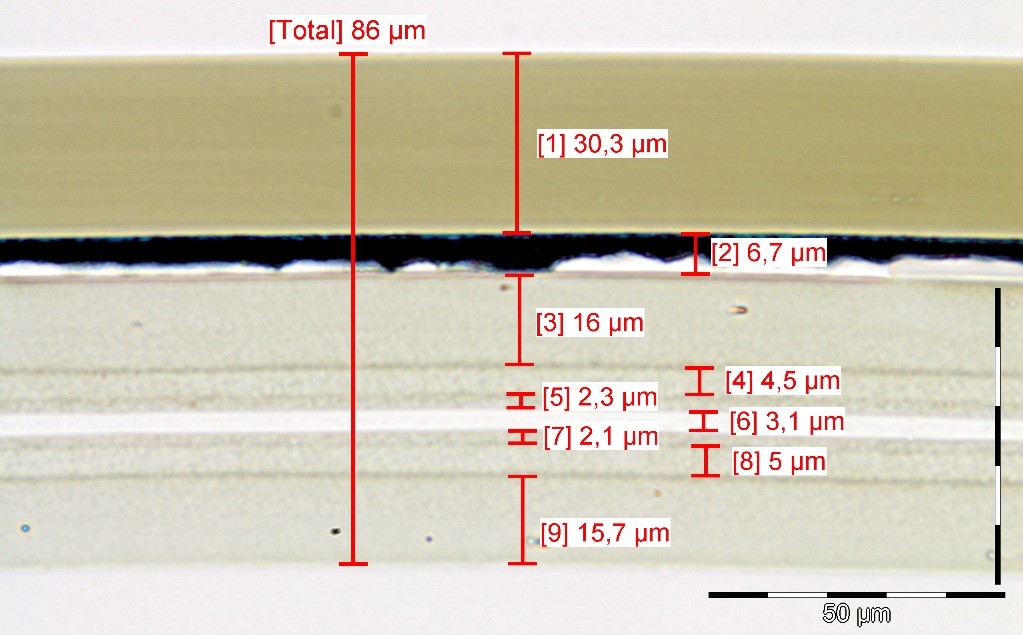
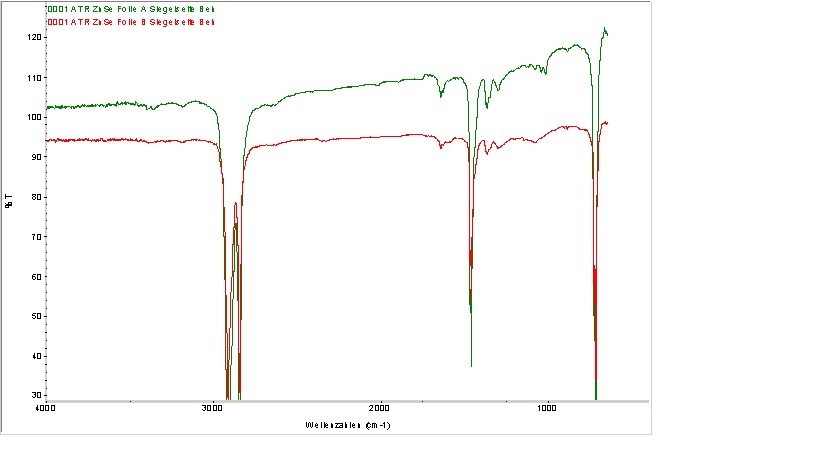
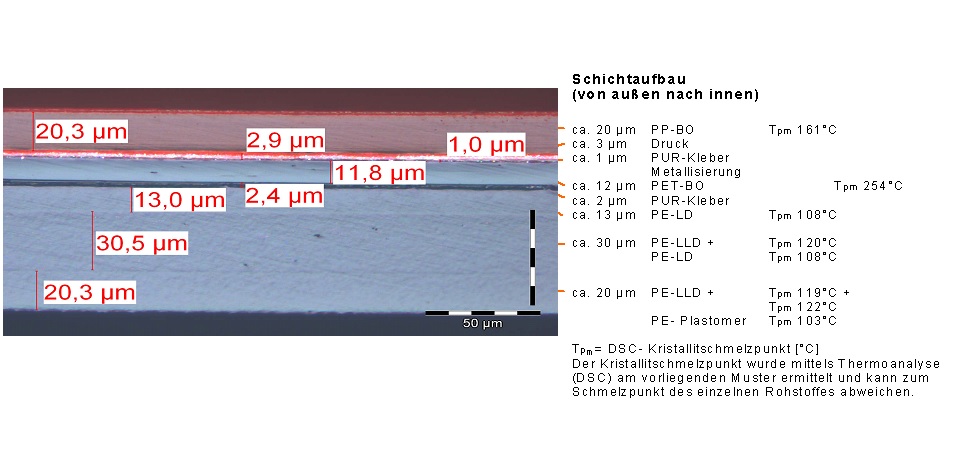
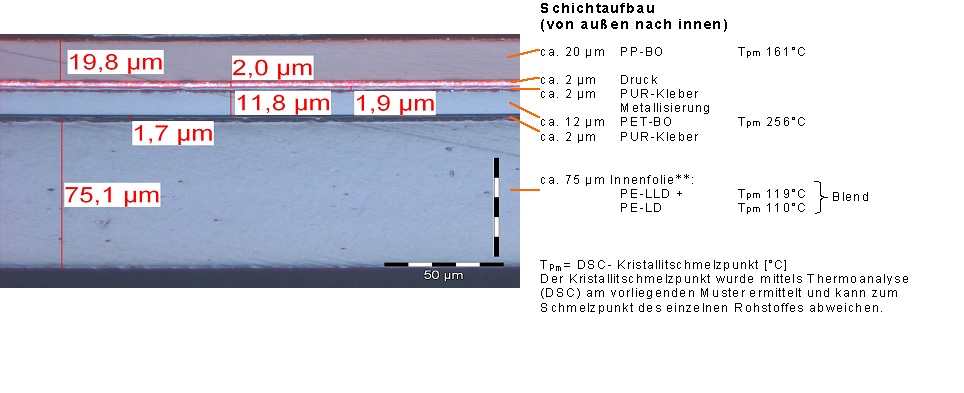
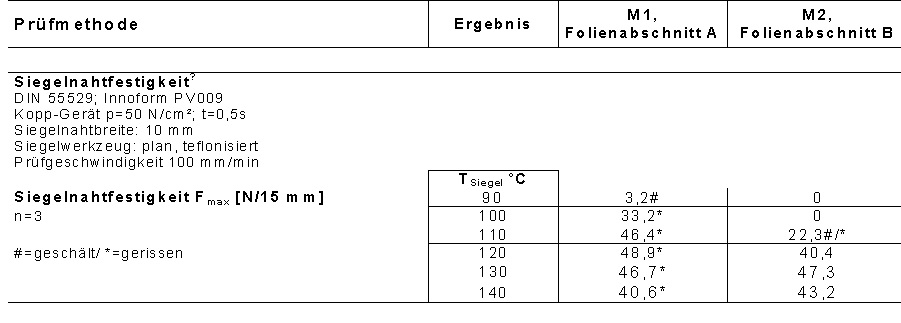
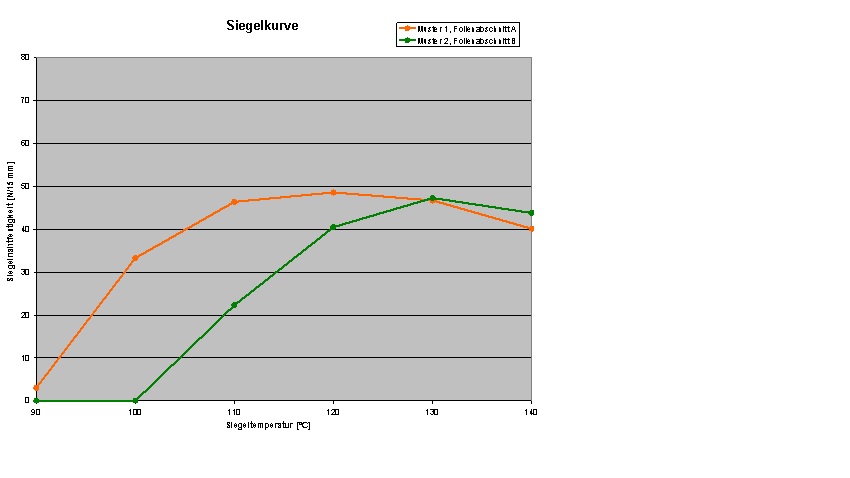
      1 Task: Muster 2 zeigte Probleme bei der Verarbeitung. Die Siegelnahtfestigkeit war laut Kundenaussage bei gleicher Maschineneinstellung deutlich niedriger als bisher. Ein Vergleich mit einem retained sample soll Aufschluss über mögliche Unterschiede der Folie geben. 2 Summary of results: Zunächst wurden die Oberflächen der Siegelschichten FTIR-spektroskopisch in ATR-Technik untersucht. Es handelt sich bei beiden Folien um Polyethylen. Nach dieser ersten Untersuchung wurde auf Kundenwunsch eine Materialanalyse der beiden Folien durchgeführt sowie Siegelkurven erstellt. Beiden Mustern dient als Außenschicht ein PP-BO (20 µm), welches im Konterdruck bedruckt ist und gegen eine metallisierte PET-BO Folie (12 µm) kaschiert wurde. Der Aufbau der beiden Folieninnenseiten unterscheidet sich. Folie A hat einen Innenverbund bestehend aus drei coextrudierten Einzelschichten. Die äußere Schicht (ca. 13 µm) besteht aus PE-LD (crystallite melting temperature Tm 108°C). Die mittlere Schicht (ca. 30 µm) besteht aus einem Blend aus PE-LLD (Tm 120°C) und PE-LD (Tm 108°C). Die innere Schicht besteht aus einem Blend aus PE-LLD (Tm 119°C) und PE-Plastomer (Tm 103°C). Film section B hat eine Innenschicht bestehend aus einem Blend aus PE-LLD (Tm 119°C) und PE-LD (Tm 110°C). 3 Interpretation of the results: Die unterschiedlichen Siegelschichten führen zu unterschiedlichen Siegeleigenschaften, die durch die Siegelkurven bestätigt werden. Die Siegelstarttemperatur von Folie A liegt bei ca. 100°C, die von Folie B bei ca. 110°C. 4 FTIR spectroscopy Es wurden FTIR-spektroskopisch die Oberflächen der Siegelschichten untersucht. 5 Film structure/microtome cross section 5.1 Sample 1, film section A (reserve sample) Pruefbericht_PB0001_Muster1_kompl   5.2 Pattern 2, foil section B Pruefbericht_PB0001_Muster2_kompl   6. Mechanical tests Pruefbericht_PB0001_Tabelle_Pruefmethode Pruefbericht_PB0001_Siegelkurve   Zur Anfrage beim Testservice klicken Sie hier.
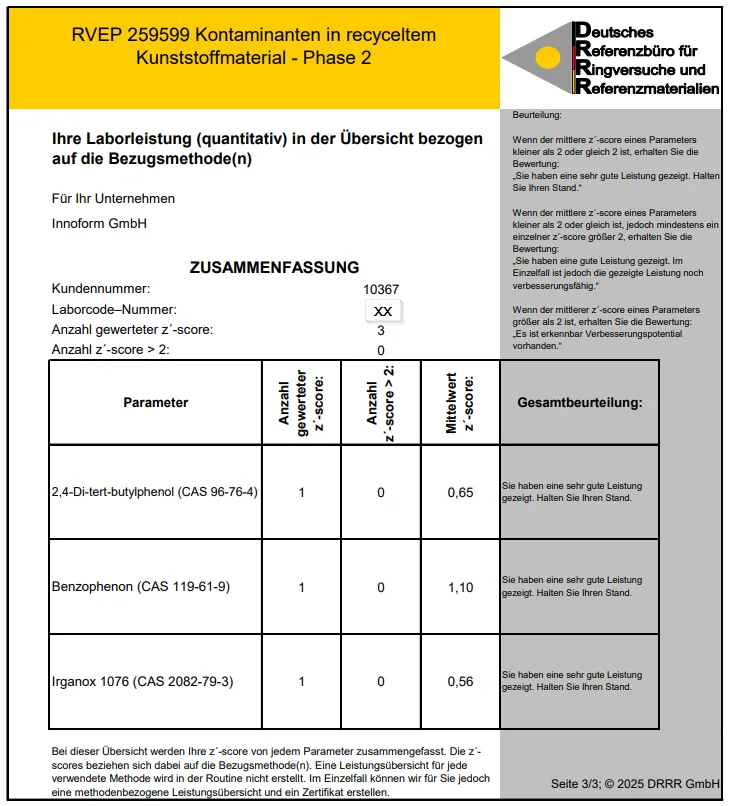
  • Innoform Convinces with Its Outstanding Performance in Detecting Contaminants in Recycled Plastic.

    Innoform Convinces with Its Outstanding Performance in Detecting Contaminants in Recycled Plastic.

    Innoform has once again demonstrated its expertise: In the DRRR proficiency test “Contaminants in Recycled Plastic Material – Phase 2 (RVEP 259599)”, our team achieved excellent results once again. The examination of contaminants in recyclates is crucial for the quality of food packaging.

    In this demanding test series, PP granulates were spiked with unknown contaminants. Thanks to state-of-the-art analytics and sound expertise, Innoform identified the substances precisely – including 2,4-di-tert-butylphenol, benzophenone, and octadecyl-3-(3,5-di-tert-butyl-4-hydroxyphenyl)propionate. The quantification was performed semi-quantitatively using internal standards.

    This result confirms: Innoform is a reliable partner for the safe identification and evaluation of NIAS (non-intentionally added substances) in plastics. The precise analysis of unknown contaminants is crucial for compliance with the strict requirements of the Plastic Regulation (EU) No. 10/2011 and Regulation (EU) 2022/1616 for recycled plastics in food contact.

    Our commitment: highest quality and safety for your products. Trust Innoform – our competence is also demonstrable through our continuous participation in proficiency tests.

    If you have any questions, please contact fcm@innoform.de. We will be happy to advise you on these challenging topics of food law compliance testing or prepare a quote for a NIAS analysis of your material.

    Visit our website and see for yourself. You can also create online quotes and place orders there.

  • Primary aromatic amines (PAA) – New discussions on the detection limit

    Primary aromatic amines (PAA) – New discussions on the detection limit

    Origin and risks

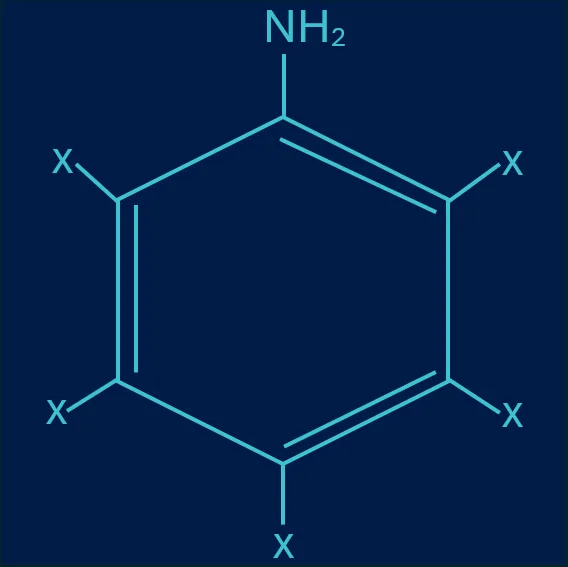
    Primary aromatic amines often occur as impurities or degradation products in dyes (e.g. azo pigments). They can also be formed by hydrolysis from isocyanates in polyurethane adhesives or other PU systems. Some PAAs are considered carcinogenic or mutagenic, which is why their migration into food is problematic.

    Measurement / Analysis

    3% acetic acid or water is often used as a simulant for migration testing. Recent studies show that some paA are unstable in acetic acid under standard conditions, while they remain more stable in water. However, the influence of the simulant on protonation (relevant, for example, in paA from laminating adhesives) has often not yet been sufficiently researched.

    Liquid chromatography is usually used to analyse the migrants:

    • High-performance liquid chromatography with diode array detector (HPLC-DAD)
    • High-performance liquid chromatography coupled with tandem mass spectrometry (HPLC-MS/MS)

    The photometric summation method (Section 64 LFGB, method L 00.00-6) is still used in some areas of industry, but it can only be used to provide a rough estimate of compliance with the sum limit of 0.01 mg/kg and is not suitable for conformity testing because it does not provide sufficient recovery for all possible amines.

    Regulatory requirements and assessments

    Various regulations (e.g. Plastics Regulation, Commodities Regulation and BfR recommendations) contain similar provisions:

    • Primary aromatic amines that are considered carcinogenic (CLP category 1A/1B) must be undetectable if no specific migration limit (SML) exists.
    • According to Article 11(4) of the Plastics Regulation (EU) No 10/2011, a detection limit of 0.002 mg/kg per individual substance applies to such paA.
    • The sum of unlisted and non-carcinogenic paA must not exceed 0.01 mg/kg.

    The BfR recommends applying the ALARA principle (As Low As Reasonably Achievable).

    Planned adjustment & discussion

    The minutes of the 34th meeting of the BfR Commission for Commodities document that the BfR plans to include a new footnote in its recommendations: For carcinogenic paA, a transition above 0.15 µg/kg food should not be detectable. At the same time, the maximum permissible detection limit is to remain at 2 µg/kg food.

    It follows that measured values above 0.15 µg/kg would be considered unacceptable/non-compliant.

    The reason given is that some laboratories can achieve detection limits lower than the current detection limit of 2 ppb. The handling of measurement uncertainty, analytical implementations and, if necessary, gradual approximations to the target value of 0.15 µg/kg food must be examined and implemented in detailed concepts.

    If you have any questions, please contact fcm@innoform.de. We will be happy to provide you with a quote for the determination of primary aromatic amines.

    You can find examinations on paA here.

    An article by Heike Schwertke