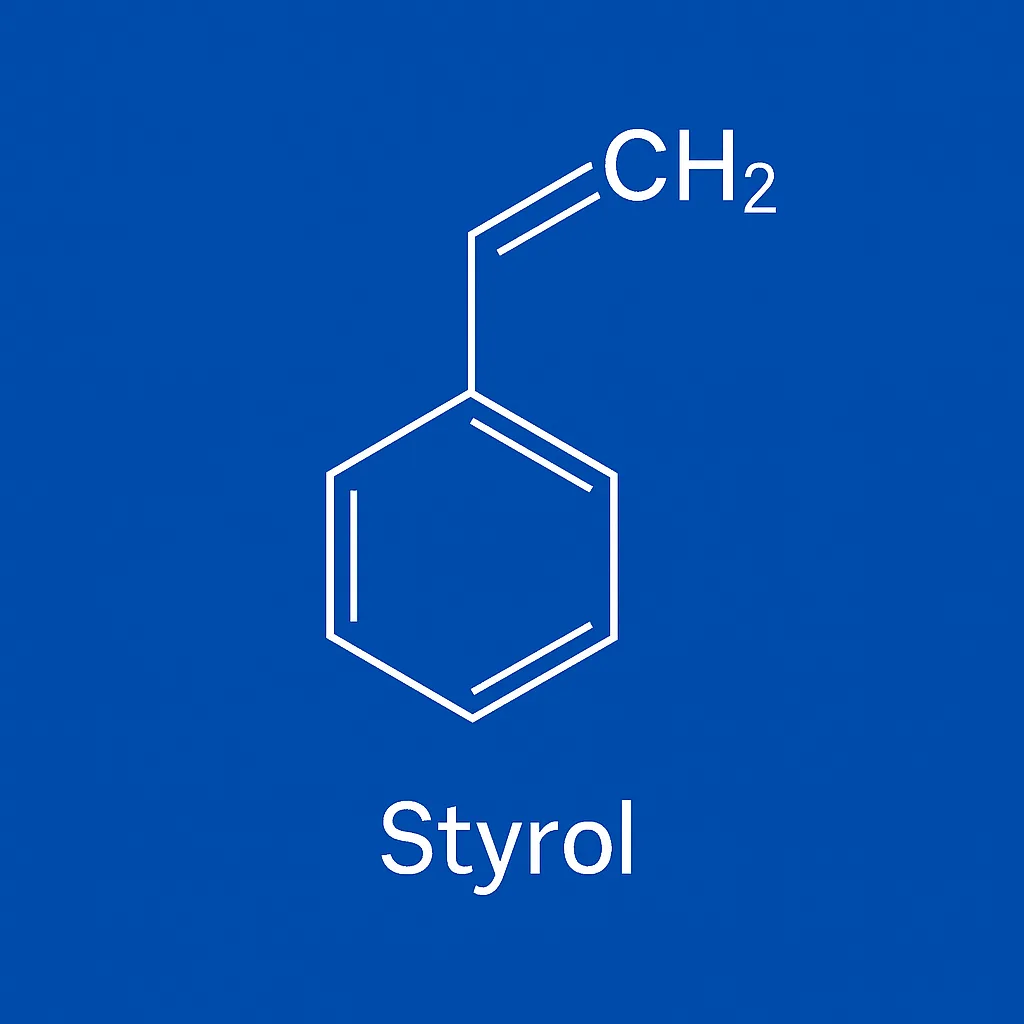
At the end of October, the European Commission published a draft EU regulation on styrene.
Background
The European Commission is planning an amendment to Regulation (EU) No 10/2011 on plastic materials and articles intended to come into contact with food. Affected is the substance styrene (FCM No. 193), which is used, among other things, for the production of polystyrene packaging.
Why the amendment?
To date, styrene was listed in the Union list without a specific migration limit (SML).
In 2020, the International Agency for Research on Cancer (IARC) classified styrene as “probably carcinogenic to humans”.
Subsequently, the Commission mandated EFSA to perform a re-evaluation of the safety of styrene in food contact materials.
Results of the EFSA evaluation
In its 2020 evaluation, EFSA could not rule out health risks in the event of unrestricted migration.
In a re-evaluation from 2025, EFSA concluded that there is no evidence of a genotoxic effect upon oral intake.
The use of styrene is considered safe if migration into food remains below 0.05 mg/kg food.
Planned amendment
In the future, a specific migration limit (SML) of 0.05 mg/kg food is to be introduced for styrene. Manufacturers of plastic packaging must be able to demonstrate compliance with this limit.
Testing requirements
Compliance with the new limit can be verified through testing in food or food simulants.
Since testing in simulants can sometimes be significantly over-estimating, non-compliance can generally only be confirmed by testing in the actual foodstuff.
Particularly fatty foods are considered critical, as higher styrene migration levels can occur there.
Transition periods
Products compliant under the current legal situation may still be placed on the market for the first time for up to 18 months after the entry into force of the Regulation.
Thereafter, existing stocks may continue to be sold until exhausted.
For intermediate products, special labeling requirements apply during the transition period.
Significance for the packaging industry
For manufacturers of polystyrene packaging, the draft primarily means:
Introduction of a binding migration limit for styrene.
Establishment or expansion of testing and verification systems.
Adaptation of declarations of compliance and quality controls.
18-month transition period for implementation. (EU draft as PDF)
Conclusion: The EU is not planning a ban on styrene in food contact materials. Instead, a binding limit of 0.05 mg/kg food is being established for the first time in order to increase consumer safety and provide clearer legal regulation for the use of styrene.
If you have any questions, please contact fcm@innoform.de. We would be pleased to provide you with a quote for the specific migration testing of styrene.
How do paper laminates change over time? Accelerated shelf-life testing and subsequent material testing help identify aging effects at an early stage and soundly evaluate packaging concepts.
Sustainable packaging needs more than good initial values
The shift toward paper-based packaging solutions continues to grow. Driven by sustainability goals, regulatory requirements, and the desire for higher recyclability, new paper laminates are constantly being developed for food, consumer goods, and technical applications.
How does the packaging behave after months or years of storage?
Packaging must maintain the product properties relevant to the specific application throughout its entire intended service life. Depending on the contents, this may include protection against moisture uptake, oxygen ingress, loss of aroma, or oil penetration. This is where accelerated shelf-life testing and subsequent material testing come into play.
The challenge with paper laminates
Paper offers several ecological advantages. At the same time, it differs fundamentally from conventional plastic laminates.
While many plastic films derive their functional properties primarily from their polymer structure, paper laminates consist of multiple layers of different materials. Paper layers, coatings, functional barrier layers, or sealing layers must interact permanently.
Effects of moisture
Temperature fluctuations
Aging of coatings
Changes in adhesive systems
Mechanical stresses during transport and storage
These factors can cause functional properties to change over time, even if the material still meets all requirements immediately after production.
Why real-time storage is often not an option
Anyone wanting to know how a packaging material behaves after two, three, or even five years could theoretically just wait. In product development, however, this is rarely practical. New packaging concepts must be evaluated within significantly shorter development cycles. Manufacturers need early data for development decisions, approvals, or risk assessments.
This is where accelerated shelf-life testing provides a practical decision-making tool. Under elevated temperatures, aging processes can be targetedly accelerated. Based on a defined model, for example using the Arrhenius equation, a longer real-time storage period is mathematically mapped against a shorter test duration at an elevated temperature.
Importantly, accelerated aging tests do not deliver an exact prediction of actual shelf life. Elevated temperatures may exaggerate individual aging effects, while other effects may be underestimated due to the shortened timeframe. The results should therefore be understood as indicative values and as a component of risk management.
Do not underestimate climatic boundary conditions
Especially with paper laminates, the test result strongly depends on environmental conditions. Paper is hygroscopic and reacts to changes in humidity. As a result, properties such as stiffness, strength, dimensional stability, and barrier properties can change.
The conditions during storage, conditioning, and testing should therefore be tailored to the intended application, carefully defined, and fully documented. Changes can only be reliably evaluated under comparable conditions.
Verification is provided through subsequent functional testing
Accelerated storage alone does not answer the crucial question: Has the protection or utility function of the material changed? Therefore, the aged samples are compared with a suitable unaged control sample or initial values.
Depending on the application, permeation testing or seal integrity testing is the main focus:
Oxygen transmission rate (OTR)
Water vapor transmission rate (WVTR)
Integrity and leak tightness of packaging and packaging components
Temperature and relative humidity influence permeation rates. The test conditions must therefore align with the real-world application and be taken into account when interpreting the results. The measurement reveals whether the permeability of the material or packaging has changed as a result of storage.
Aging affects more than just the barrier
A single test is often insufficient for a sound evaluation of long-term stability. Paper laminates are complex material systems. Changes can occur in different areas and manifest not only in altered permeation values. Frequently, an application-specific combination of several test methods is therefore recommended.
Bond strength and layer lamination
Many modern paper packaging concepts consist of multiple functional layers. Paper layers are combined with barrier coatings, sealing layers, or thin polymer layers. Temperature and aging effects can alter the adhesion between these layers. Reduced bond strength can lead to delamination. Depending on the structure, this can cause functional impairments, for example in mechanical stability or individual barrier properties. Peel tests and bond strength analyses provide information on the durability of the material structure.
Grease resistance and oil resistance
For packaging used for baked goods, confectionery, snacks, or other fatty foods, grease resistance can play a key role. Temperature and moisture influences can alter the structure or surface characteristics of functional barrier coatings. Whether this affects grease resistance must be investigated through suitable, application-specific testing. The test should match the intended product, contact time, and subsequent exposure.
Mechanical properties
Paper is sensitive to climatic factors. Depending on the construction and application, the following properties may also be evaluated:
Tensile strength
Tear strength and tear propagation resistance
Stiffness
Folding and flex resistance
Puncture or burst strength
Even with stable barrier values, packaging can become unsuitable in practice if its mechanical stability decreases significantly during storage.
Sealing properties and leak tightness
In flexible packaging, overall performance is significantly influenced by heat seals, adhesive bonds, and closure areas. Therefore, tests for heat seal strength, sealing behavior, or seal integrity can be essential components of an aging program. For paper laminates with heat-sealable functional layers, it must be verified whether the intended processing characteristics and seal strength are maintained after storage.
Optical and sensory properties
Optical and sensory changes can also be relevant for product protection and market acceptance. Typical testing aspects include:
Discoloration or yellowing
Changes in surface appearance
Odor development or sensory perceptible substance transfer
Changes in printability and haptics
Practical example: Paper laminate for dry food
A common practical example is the development of a paper laminate for cereals, milk powder, instant products, or dry mixes. In such applications, protection against moisture absorption is often the primary focus. For oxidation-sensitive products, an oxygen barrier may additionally be required.
First, the relevant properties are determined on an unaged control sample. Subsequently, accelerated storage is carried out under defined conditions. At specified sampling intervals, the selected tests are repeated—for instance WVTR, OTR, bond strength, grease resistance, mechanical characteristics, sealing properties, or seal integrity.
The comparison shows whether the properties relevant to the application remain stable or whether changes are becoming apparent. On this basis, material structure, coating, processing, or test programs can be specifically further developed.
Limits of accelerated aging
Accelerated storage is not a complete substitute for storage under real conditions. Not every aging mechanism follows the same temperature model. Relative humidity, mechanical stress, light, oxygen availability, contact with the contents, and cyclic climates can also influence aging.
For critical applications, it is therefore sensible to combine accelerated tests with parallel real-time storage. Accelerated aging provides early indications, while real-time storage serves to validate the chosen approach at a later stage.
Sustainability needs long-term stability
Paper laminates are considered an important building block for future packaging concepts. For sustainable solutions to be functionally convincing as well, they must demonstrate their performance over the intended service life.
The combination of accelerated storage and subsequent application-specific testing provides a valuable data foundation for this purpose. Permeation measurements can be supplemented by investigations into bond strength, grease resistance, tightness, seal quality, as well as mechanical and sensory properties.
In this way, risks can be identified at an early stage, materials optimized in a targeted manner, and development decisions made on a sounder basis. After all, it is not just the choice of material that determines the success of packaging, but its ability to reliably fulfill the required function under the intended conditions.
Please send questions and suggestions regarding test programs for paper laminates to daniel.wachtendorf daniel.wachtendorf@innoform.de
The IFS Packaging Guideline (Version 2.1), originally published in 2024, is now also available in German. The guideline makes it easier for German-speaking companies to access key information and practical recommendations on the safety of food packaging.
Key facts at a glance
The IFS Packaging Guideline v2.1 is now also available in German.
It is aimed primarily at food manufacturers and strengthens collaboration along the supply chain.
It is based on IFS Food Version 8; for packaging manufacturers, IFS PACsecure is additionally decisive.
Its focus is European legislation – national regulations must be considered in addition.
Innoformcontributed to the guide with technical comments and suggestions for improvement.
As stated in its introduction, the publication is aimed primarily at food manufacturers. The goal is to strengthen collaboration within the supply chain, support the provision of safe products and make responsibilities along the value chain more transparent.
The requirements in IFS Food Version 8 and in this guideline affect manufacturers of packaging materials primarily indirectly. For packaging manufacturers, IFS PACsecure is particularly decisive. Nevertheless, essential content and fundamental requirements from it have been integrated into this guideline in order to foster a shared understanding across the supply chain.
What does the guideline focus on?
The guideline focuses on the requirements of European legislation. In addition, individual EU member states may have further national regulations that must also be taken into account. Companies outside the European Union can likewise use the guideline as a valuable point of orientation. However, the applicable national legislation always remains decisive.
👉 The guideline offers companies in the food and packaging industry practical support for implementing regulatory requirements and for promoting a safe and transparent supply chain.
Innoform actively supported the development of the IFS guideline and was able to contribute its long-standing expertise through technical input and comments.
Frequently asked questions about the IFS guideline
What is the IFS Packaging Guideline?
The IFS Packaging Guideline (currently Version 2.1) is a guideline issued by IFS that brings together practical recommendations and requirements on the safety of food packaging. It helps companies implement regulatory requirements consistently along the supply chain. Available since 2024, it is now also provided in German.
Who is the guideline for?
Primarily for food manufacturers. The aim is to strengthen collaboration in the supply chain, support the provision of safe products and make responsibilities more transparent. Manufacturers of packaging materials are usually affected indirectly.
What is the difference between IFS Food Version 8 and IFS PACsecure?
IFS Food Version 8 is the standard for food manufacturers and affects packaging-material manufacturers only indirectly. For packaging manufacturers themselves, IFS PACsecure is decisive. Essential content from PACsecure has been integrated into the guideline to foster a shared understanding across the supply chain.
Which legal requirements does the guideline cover?
It focuses on the requirements of European legislation for food contact materials. In addition, individual EU member states may have national regulations that must be considered as well.
Can the guideline be used outside the EU?
Yes. Companies outside the European Union can also use the guideline as a valuable point of orientation. However, the applicable national legislation always remains decisive.
Where can I obtain the German edition of the guideline?
The IFS Packaging Guideline v2.1 is available for download as a PDF on the IFS website – now also in German. You can find the direct link at the top of this article.
What role did Innoform play in the guideline?
Innoform actively supported the development of the guideline and contributed long-standing expertise through technical input and comments. The Innoform Testservice also supports companies with conformity testing of food contact materials.
Article 5(5) sets out specific limit values for per- and polyfluoroalkyl substances (PFAS) in packaging materials that come into contact with food, and defines a three-tier limit value system:
25 ppb for individual PFAS (analysed specifically),
250 ppb for the total of these substances as well as
50 ppm for the total PFAS content, including polymeric compounds (determined by the total fluorine content)
When drawing up the declaration of conformity, the PPWR requires that a conformity assessment procedure in accordance with Annex VII be carried out. This procedure is supported by technical documentation. This must include an “adequate analysis and assessment of the risks of non-conformity” and may, where necessary, be supplemented by test reports or similar evidence (Annex VII, Article 2).
If it can be demonstrated throughout the supply chain that the raw materials used do not contain any PFAS and that these cannot enter the product during production, analytical testing may not be required, subject to an appropriate risk assessment.
However, if there is no definitive confirmation (e. g. because information is missing), it is advisable to carry out appropriate tests or plausibility checks to ensure that the packaging material is free from PFAS.
It can be assumed that most plastic film packaging, particularly that made from PE and PP, contains PFAS. (Karsten Schröder)
In a set of guidelines on the PPWR Regulation announced by the European Commission at the end of 2025, the following analysis strategy is proposed:
Determination of total fluorine content (TF): Provided that the TF is below 50 ppm, the material shall be considered compliant; no further analysis is required.
If the total fluorine content exceeds 50 ppm, a distinction must be made between organic fluorine (TOF) and inorganic fluorine (TIF). If the organic fluorine content is below 50 ppm, the material is to be regarded as compliant. If the content exceeds 50 ppm, the material would ultimately be deemed non-compliant. Further analyses to verify compliance with the limit values set out in Article 5(5)(a) and (b) would be possible; however, as the material has already been assessed as non-compliant, this is neither mandatory nor recommended.
To meet these requirements, the Innoform Testing Service has been offering tests for the total fluorine content and the organic fluorine content (both as subcontracted services) since early 2025.
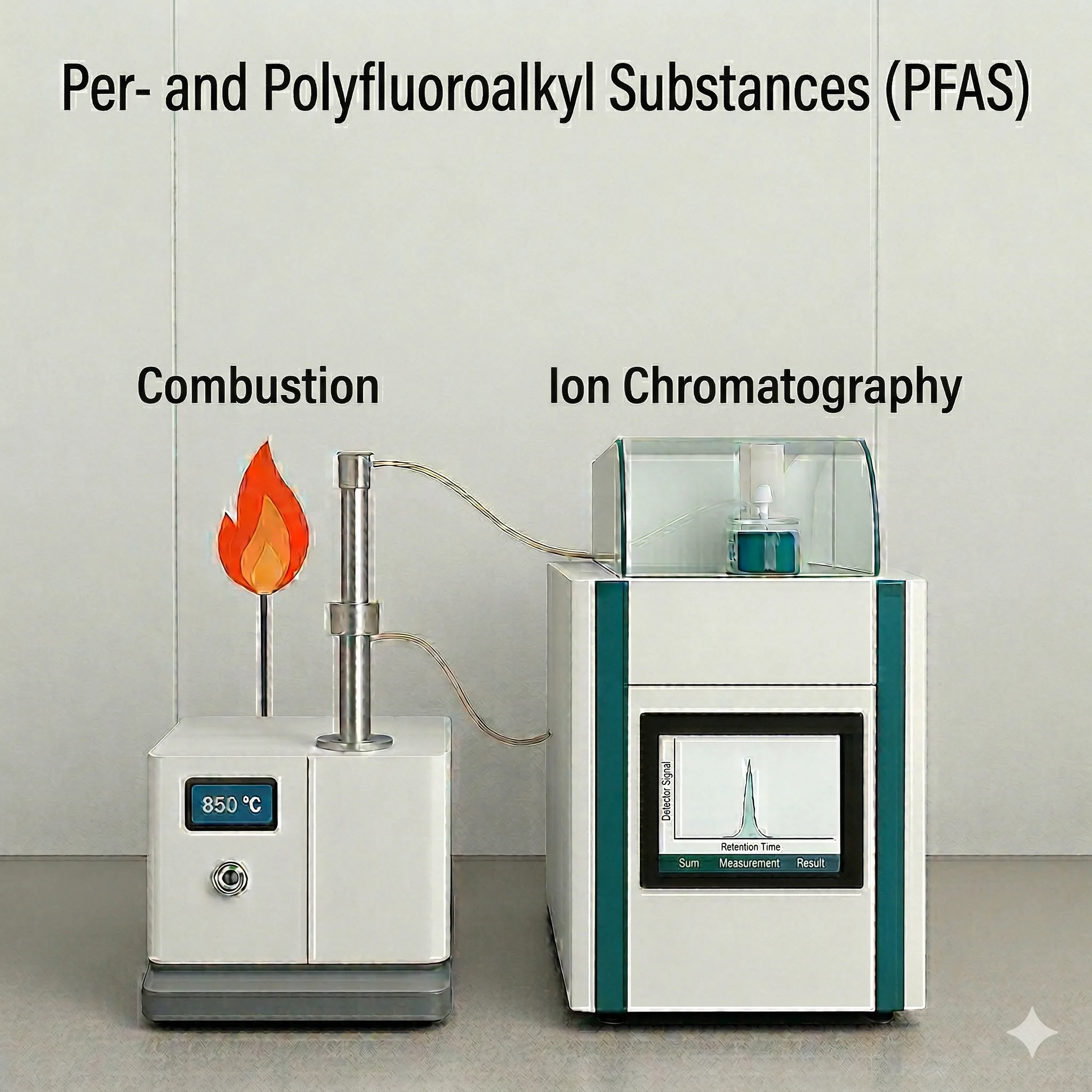
Due to increased demand, the Innoform Test Service has begun to introduce its own in-house analytical method. Using Combustion Ion Chromatography (CIC), the total fluorine content is determined in accordance with DIN EN 17813 using oxidative pyrohydrolytic combustion, followed by ion chromatography, which is ideally suited to ensuring compliance with the limit value of 50 ppm.
The basis for the amendments to the Plastics and Bisphenol Regulation is the Framework Regulation (EC) No. 1935/2004 on materials and articles intended to come into contact with food.
In 2024, the European Food Safety Authority (EFSA) adopted several opinions on new substances, which, after scientific evaluation, were added to the Union list of the Plastics Regulation with restrictions. Furthermore, the designation and restriction of one substance was adjusted.
In the Bisphenol Regulation, inconsistencies and errors were corrected to ensure the proper functioning of the regulation
The regulation supplements or modifies several substance entries, including restrictions for these substances:
Substance
Limit / Restriction (Summary)
Status
Amines, Di-C14-C20-alkyl, oxidized, from hydrogenated tallow (FCM No 768)
– fat-free food – max. 0.1% by weight in polyolefins or – max. 0.25% by weight in PE
revised
Amines, Di-C14-C20-alkyl, oxidized, from hydrogenated vegetable oil (FCM No 1092)
– fat-free food – max. 0.1% by weight in polyolefins – max. room temperature incl. hot-filling for max. 2h at 100 °C – Not for infant formula and human milk
new
Phosphoric acid, triphenyl ester, polymer with 1,4-cyclohexanedimethanol and polypropylene glycol, C10-16 alkyl ester (FCM No 1084)
SML 5 mg/kg (sum phosphite and phosphate) – max. room temperature incl. hot-filling for max. 2h at 100 °C – max. 0.15% by weight in polyolefins – Not for infant formula and human milk – Fraction < 1000 Da: max. 13% by weight
new
Calcium tert-butylphosphonate (FCM No 1089)
– Nucleating agent – max. room temperature incl. hot-filling for max. 2h at 100 °C or 15 min at 130 °C – max. 0.15% by weight in polyolefins; – Not for infant formula and human milk
new
Wax, rice bran, oxidized (FCM No 1093) and Wax, rice bran, oxidized, calcium salt (FCM No 1096)
– fat-free food – max. 0.3% by weight in PET, PLA, rigid PVC – max. room temperature incl. hot-filling for max. 2h at 100 °C
new
2,2′-Oxydiethylamine (FCM No 1094)
SML 0.05 mg/kg – Comonomer (max. 14% by weight) with adipic acid and caprolactam or authorized homologues – PA films up to max. 25 µm – Oligomers < 1000 Dalton max. 5 mg/kg – Not for infant formula and human milk
Clarification of definitions: The wording “BPA and its salt(s)” is deleted, as the term “bisphenol” by definition already includes the salt forms.
Addition (in Article 3(2)) that not only manufacturing in the EU, but also placing on the market in the EU of food contact materials using Bisphenol A is prohibited according to the regulation.
Article 9(2) clarifies that the analytics explicitly refer to “BPA residues”, as their presence is prohibited, and therefore an extraction method must be used.
In the transitional provisions (Articles 11 and 12), several date and wording errors in the original text were corrected.
Annex III clarifies that the declaration of compliance must state either the designation of semi-finished food contact materials or that of finished food contact articles
3. Entry into Force
The regulations enter into force on the 20th day after publication in the Official Journal of the EU (on 23.02.2026).
It is binding in all Member States and directly applicable.
Practical Significance
Regarding the adjustments to the Plastics and Bisphenol Regulation, in our opinion there is no direct need for action for most companies, as these are additions and clarifications and no fundamental changes have been made.
Plastics
For Amines, Di-C14-C20-alkyl, oxidized, from hydrogenated tallow (FCM No 768), the designation was changed, which has no impact on compliance. The restrictions have been textually harmonized; the quantities are identical, so in our opinion there is no direct need for action.
The newly added substances to the Union list may now be used in food contact materials with the specified restrictions. Prior to authorization, use would only have been permissible behind a functional barrier, so manufacturers already had to indicate the presence of these substances in old declarations of compliance.
Products manufactured with bisphenols
For imported goods that may contain bisphenols, and in case of intentional use of bisphenols, review deadlines and requirements again
The declaration of compliance already had to be prepared for all materials mentioned in the scope of the regulation. The designation should possibly be adjusted.
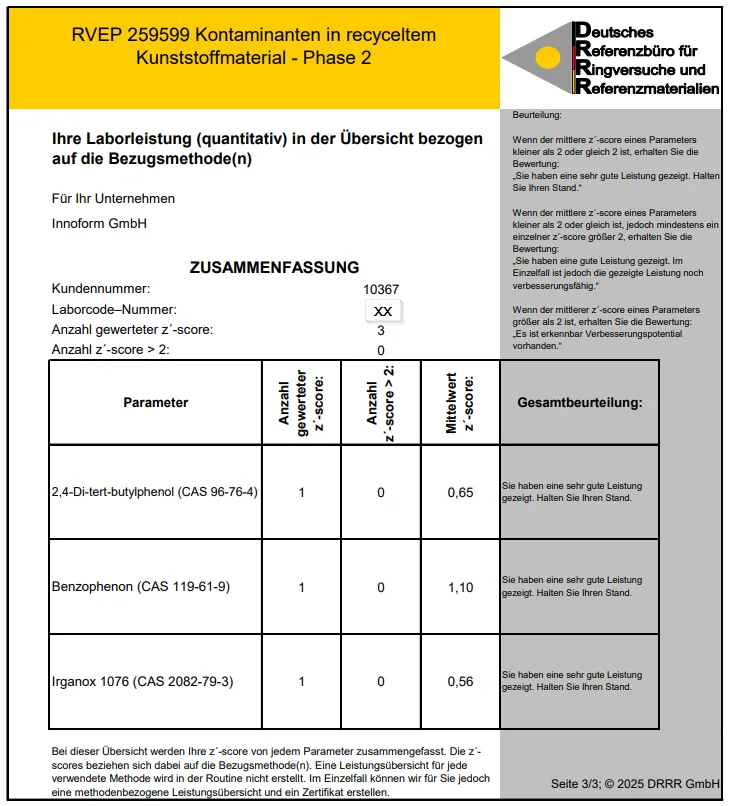
Innoform has once again demonstrated its expertise: In the DRRR proficiency test “Contaminants in Recycled Plastic Material – Phase 2 (RVEP 259599)”, our team achieved excellent results once again. The examination of contaminants in recyclates is crucial for the quality of food packaging.
In this demanding test series, PP granulates were spiked with unknown contaminants. Thanks to state-of-the-art analytics and sound expertise, Innoform identified the substances precisely – including 2,4-di-tert-butylphenol, benzophenone, and octadecyl-3-(3,5-di-tert-butyl-4-hydroxyphenyl)propionate. The quantification was performed semi-quantitatively using internal standards.
This result confirms: Innoform is a reliable partner for the safe identification and evaluation of NIAS (non-intentionally added substances) in plastics. The precise analysis of unknown contaminants is crucial for compliance with the strict requirements of the Plastic Regulation (EU) No. 10/2011 and Regulation (EU) 2022/1616 for recycled plastics in food contact.
Our commitment: highest quality and safety for your products. Trust Innoform – our competence is also demonstrable through our continuous participation in proficiency tests.
If you have any questions, please contact fcm@innoform.de. We will be happy to advise you on these challenging topics of food law compliance testing or prepare a quote for a NIAS analysis of your material.
Visit our website and see for yourself. You can also create online quotes and place orders there.
The assessment of food contact materials (FCM) requires knowledge not only of intentionally added substances (IAS), but also of unknown substances that may be hidden in the material.
NIAS in legislation
The so-called NIAS (non-intentionally added substances) are substances that are not intentionally used during the manufacturing process but may inevitably be present in the (finished) material and must therefore also be systematically evaluated to ensure general food safety.
Regulation (EU) No 10/2011 (Plastics Regulation) defines unintentionally introduced substances as ‘an impurity in the substances used, or an intermediate reaction product’ formed during the manufacturing process, or a degradation or reaction product’. At the same time, the Regulation points out that unintentionally introduced substances may be present in materials or articles made of plastics and that the declaration of conformity for the material in question must provide ‘sufficient information on the presence of unintentionally introduced substances’.
Accordingly, it is already assumed here that NIAS may be present in materials, but the assessment of this is the responsibility of the manufacturers/suppliers.
Where do NIAS come from?
The presence of NIAS can have a wide variety of causes and occur along the entire value chain. They are often degradation products of the polymers used (e.g. shorter-chain oligomers, acetaldehyde from PET), oxidation products from additives used (e.g. antioxidants and stabilizers), contamination from the manufacturing process (e.g. lubricants) or the raw materials used, but also recycling-related contributions when using/manufacturing recycled material are possible.
Identification of NIAS
In all cases, the basis for a (risk) assessment is the identification and quantification of the relevant substances. If it is already known in advance or there is a suspicion as to which substances typically occur (or may occur) as NIAS, targeted analysis is possible (e.g. specific migration of acetaldehyde from PET).
However, since NIAS are usually unknown, often unlisted substances with very different chemical properties, the analysis is generally carried out using non-target analysis, i.e. a non-targeted examination (“screening”) of a migration solution of the respective food contact material. Chromatographic separation methods (e.g. gas chromatography, liquid chromatography) are used to separate the complex mixture of substances and quantify it using internal standards.
The substances detected are identified using mass spectrometry, and the data obtained (mass fragmentation) is compared and evaluated using commercial and in-house databases. If a substance cannot be identified more precisely, e.g. because there is insufficient data, its origin must be investigated more closely. It is often helpful to contact the suppliers or take a closer look at the process. Unknown substances are often impurities or by-products or degradation products of the raw materials used, and contamination during the manufacturing process is also a possible source of contamination.
Figure 2. Typical mass fragmentation of an additive (e.g. Irgafos 168®).
Legal and toxicological assessment
Although NIAS are already mentioned in the Plastics Regulation, there are no legal limits for these substances in general. Manufacturers and distributors are obliged to carry out a (risk) assessment, even if the substances are not listed or previously known.
In practice, an initial assessment value of 10 µg/kg food (equivalent to 10 ppb) is initially used. This is based on regulations governing the migration of substances through a functional barrier, whereby unauthorised but intentionally added substances may be used behind a functional barrier provided that their migration is not detectable with a detection limit of 0.01 mg/kg food. This does not apply to substances that are classified as carcinogenic, mutagenic or toxic to reproduction (so-called CMR substances) and/or are present as nanoparticles. Since genotoxicity cannot be ruled out at first glance for initially unknown, unintentionally added substances, the estimated 10 µg/kg food is significantly higher than the value of 0.15 µg/kg food specified for this substance group in accordance with the TTC concept (Threshold of Toxicological Concern) and should therefore be regarded as a pragmatic measure rather than a concrete toxicological assessment value.
Substances that are detectable above this detection limit of 10 ppb (“10 ppb screening”) must then be identified and evaluated accordingly. In the case of listed substances, the assessment is often quite simple, as the respective specific migration limit (SML) can be used for the assessment. However, as NIAS are mostly unlisted substances, a risk assessment “in accordance with internationally recognised scientific principles” (Article 19 of the Plastics Regulation) is necessary. The respective substance is usually assessed on the basis of specific toxicological data and evaluations (e.g. by the EFSA, BfR), computer-aided models (in the absence of experimental data) or exposure estimates and genotoxicity tests.
Conclusion
NIAS are an unavoidable but controllable component of food contact materials. A thorough analysis strategy, combined with a scientifically sound toxicological assessment, is crucial to ensure compliance and product safety and to meet the requirements of EU legislation.
If you have any questions, please contact fcm@innoform.de. We will be happy to provide you with a quote for an NIAS analysis of your material.
The assessment of food contact materials (FCM) requires not only knowledge of the intentionally added substances (IAS), but also of the unknown substances that may be hidden in the materials.
NIAS in Legislation
So-called NIAS (non-intentionally added substances) are substances that are not intentionally used during the manufacturing process, but may inevitably be present in the (finished) material and therefore must also be systematically evaluated to ensure general food safety.
In Regulation (EU) No 10/2011 (Plastics Regulation), non-intentionally added substances are defined as “an impurity in the substances used or a reaction intermediate formed during the manufacturing process, or a degradation or reaction product”. At the same time, the regulation states that non-intentionally added substances may be present in plastic materials or articles and that the declaration of compliance for the respective material must provide “sufficient information on the presence of non-intentionally added substances”.
Accordingly, it is already assumed here that NIAS may be present in materials, but the assessment is the responsibility of the manufacturers/suppliers.
Where Do NIAS Come From?
The presence of NIAS can have various causes and occur along the entire value chain. Often they are degradation products of the polymers used (e.g. shorter-chain oligomers, acetaldehyde from PET), oxidation products of additives used (e.g. antioxidants and stabilizers), contaminations from the manufacturing process (e.g. lubricants) or from the raw materials used, but recycling-related inputs when using/manufacturing recycled material are also possible.
Identification of NIAS
The basis for a (risk) assessment in all cases is the identification and quantification of the respective substances. If it is already known in advance or suspected which substances typically occur (can occur) as NIAS, then a targeted analysis is possible (e.g. specific migration of acetaldehyde from PET).
However, since NIAS are usually unknown and often unlisted substances with very different chemical properties, the analysis is generally carried out by means of non-target analysis, i.e. a non-targeted screening of a migration solution of the respective food contact material. The complex mixture of substances is separated using chromatographic separation methods (e.g. gas chromatography, liquid chromatography) and quantified using internal standards.
The identification of the detected substances is carried out by means of mass spectrometry, the data obtained (mass fragmentation) are compared and evaluated using commercial and in-house laboratory databases. If a substance cannot be identified more precisely, e.g. because insufficient data is available, it is necessary to investigate its origin more closely. It is often helpful to contact suppliers or to examine the process more closely. Often the unknown substances are impurities or by-products or degradation products of the raw materials used; contamination during the manufacturing process is also a possible source.
Figure 2. Typical mass fragmentation of an additive (e.g. Irgafos 168®).
Legal and Toxicological Assessment
Although NIAS are already mentioned in the Plastics Regulation, there are no legal limit values for these substances in general. Manufacturers and distributors are obliged to carry out a (risk) assessment, even if the substances are not listed or previously known.
In practice, an initial assessment value of 10 µg/kg food (equivalent to 10 ppb) is initially used. This is based on regulations for the migration of substances through a functional barrier, where non-approved but intentionally added substances may be used behind a functional barrier, provided that their migration is not detectable with a detection limit of 0.01 mg/kg food. Excluded from this are substances that are classified as carcinogenic, mutagenic or toxic to reproduction (so-called CMR substances) and/or are present as nanoparticles. Since genotoxicity cannot be ruled out at first for initially unknown, non-intentionally added substances, the estimated 10 µg/kg food is significantly higher than the value of 0.15 µg/kg food provided for this substance group according to the TTC concept (Threshold of Toxicological Concern) and is therefore to be regarded as more of a pragmatic means than a specific toxicological assessment value.
Substances that are detectable above this detection limit of 10 ppb (“10 ppb screening”) must then be identified and evaluated accordingly. In the case of listed substances, the assessment is often quite simple, as the respective specific migration limit (SML) can be used for the assessment. However, since NIAS are usually unlisted substances, a risk assessment “according to internationally recognized scientific principles” (Article 19 of the Plastics Regulation) is necessary. The assessment of the respective substance is usually based on specific toxicological data and evaluations (e.g. by EFSA, BfR), computer-aided models (in the absence of experimental data) or exposure assessments and genotoxicity tests.
Conclusion
NIAS represent an unavoidable but manageable component of food contact materials. A thorough analytical strategy, combined with a scientifically sound toxicological assessment, is crucial to ensure compliance and product safety and to meet the requirements of EU legislation.
If you have any questions, please contact fcm@innoform.de. We will be happy to prepare a quote for a NIAS analysis of your material.
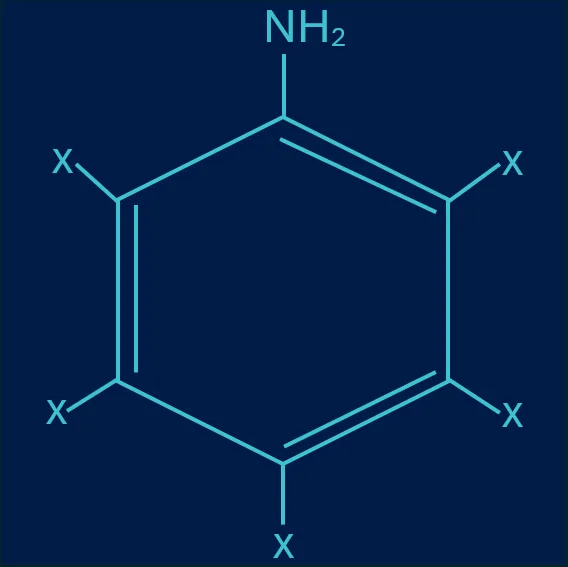
Primary aromatic amines often occur as impurities or degradation products in dyes (e.g. azo pigments). They can also be formed by hydrolysis from isocyanates in polyurethane adhesives or other PU systems. Some PAAs are considered carcinogenic or mutagenic, which is why their migration into food is problematic.
Measurement / Analysis
3% acetic acid or water is often used as a simulant for migration testing. Recent studies show that some paA are unstable in acetic acid under standard conditions, while they remain more stable in water. However, the influence of the simulant on protonation (relevant, for example, in paA from laminating adhesives) has often not yet been sufficiently researched.
Liquid chromatography is usually used to analyse the migrants:
High-performance liquid chromatography with diode array detector (HPLC-DAD)
High-performance liquid chromatography coupled with tandem mass spectrometry (HPLC-MS/MS)
The photometric summation method (Section 64 LFGB, method L 00.00-6) is still used in some areas of industry, but it can only be used to provide a rough estimate of compliance with the sum limit of 0.01 mg/kg and is not suitable for conformity testing because it does not provide sufficient recovery for all possible amines.
Regulatory requirements and assessments
Various regulations (e.g. Plastics Regulation, Commodities Regulation and BfR recommendations) contain similar provisions:
Primary aromatic amines that are considered carcinogenic (CLP category 1A/1B) must be undetectable if no specific migration limit (SML) exists.
According to Article 11(4) of the Plastics Regulation (EU) No 10/2011, a detection limit of 0.002 mg/kg per individual substance applies to such paA.
The sum of unlisted and non-carcinogenic paA must not exceed 0.01 mg/kg.
The BfR recommends applying the ALARA principle (As Low As Reasonably Achievable).
Planned adjustment & discussion
The minutes of the 34th meeting of the BfR Commission for Commodities document that the BfR plans to include a new footnote in its recommendations: For carcinogenic paA, a transition above 0.15 µg/kg food should not be detectable. At the same time, the maximum permissible detection limit is to remain at 2 µg/kg food.
It follows that measured values above 0.15 µg/kg would be considered unacceptable/non-compliant.
The reason given is that some laboratories can achieve detection limits lower than the current detection limit of 2 ppb. The handling of measurement uncertainty, analytical implementations and, if necessary, gradual approximations to the target value of 0.15 µg/kg food must be examined and implemented in detailed concepts.
If you have any questions, please contact fcm@innoform.de. We will be happy to provide you with a quote for the determination of primary aromatic amines.
How to ensure that your food contact materials comply with EU regulations
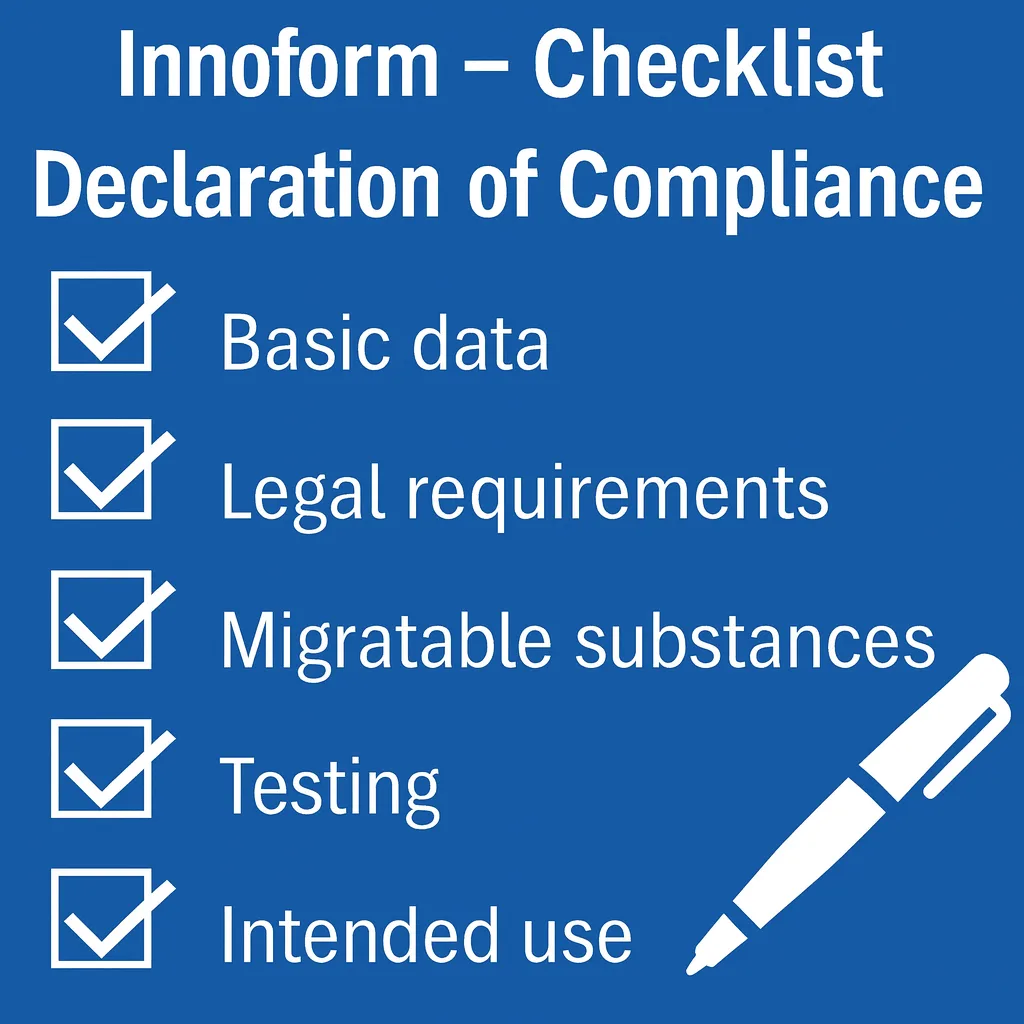
The declaration of conformity is a key document that confirms that a product meets the EU’s basic requirements for materials that come into contact with food. But how can you ensure that the information it contains is complete, accurate and up to date?
Compliance with EU requirements – in particular Regulation (EU) No. 10/2011 – can only be guaranteed if relevant information is exchanged transparently between suppliers and customers throughout the entire supply chain. The information provided must be clear and precise and refer to the actual composition of the material. This is precisely where our revised checklist for declarations of conformity comes into play.
What is new?
Following the 19th amendment to Regulation (EU) No 10/2011 by Regulation (EU) 2025/351, we have comprehensively updated our checklist for reviewing declarations of conformity. It helps you to systematically check your documentation for completeness and compliance with Annex IV of the Regulation. The information must be clear and precise and refer to the actual composition of the material.
What does the checklist offer?
A structured overview of all required information in accordance with Annex IV
Additional notes on conformity assessment
Support in identifying gaps or delegated tasks
A new section for reviewing information on bisphenol A in accordance with Regulation (EU) 2024/3190
This checklist for declarations of conformity provides you with a practical tool for efficiently reviewing your declarations of conformity and taking any necessary measures.
You can request the checklist free of charge at fcm@innoform.de.
The template is available in German and English – please indicate your preferred language when submitting your inquiry.