Kategorie: EN

Sprachwahl EN für z.B. MailPoet

  • Registration and Data Reporting Obligation

    Registration and Data Reporting Obligation

    EU Packaging Regulation (PPWR): Registration and Data Reporting

    Part 1: What needs to be done now 

    The new EU Packaging Regulation (PPWR) introduces uniform obligations from August 2026 for all companies placing packaging on the EU market. Key innovations include mandatory registration in national packaging registers and annual data reporting of packaging quantities. Companies must assess early in which countries they are subject to registration, clearly define responsibilities, and adapt internal processes and IT systems to meet the new requirements on time and correctly. Careful preparation minimizes risks and ensures compliance with the new EU-wide regulations. 

    Registration Obligation 

    Regulation (EU) 2025/40 on packaging and packaging waste (PPWR) introduces EU-wide uniform obligations from 12 August 2026 for all companies placing packaging on the market. One of the key innovations is the registration obligation in official producer registers of each EU Member State. In future, every company (“producer” within the meaning of the regulation) that places packaging or packaged products on the market for the first time in a country must register in the respective national packaging register. This applies uniformly to all packaging materials and industries. Companies without their own establishment in the country concerned must appoint an authorized representative there to fulfill Extended Producer Responsibility (EPR). Without registration, no packaging may be placed on the market – the regulation prohibits placing on the market as long as there is no valid registration (or representative appointment) in the respective national register. Companies should therefore assess in good time in which countries they are subject to registration and prepare for initial registration as soon as the national registers are established (by 2027 at the latest). 

    Annual Data Reporting Obligation 

    In parallel, the PPWR introduces an annual data reporting obligation. In future, producers must report annually by 1 June the quantities of all packaging they placed on the market for the first time in each EU country in the previous year. This quantity reporting is submitted to the competent authority or producer register and records weight data by packaging type and material per country. The plan is for data to be transmitted electronically and uniformly wherever possible. Small placers on the market with very low packaging quantities (below 10 tonnes/year per country) benefit from simplifications: Member States may allow them to submit simplified reporting by overarching packaging types instead of detailed material categories. Regardless of such exemptions, however, all affected parties are well advised to establish a system for recording their packaging quantities early on, in order to report on time and correctly. Incorrect or missed quantity reports can – as already known from existing national systems – lead to sanctions, so care is required. 

    Establish Clear Responsibilities 

    In conclusion: Companies in the packaging industry and food packers should prepare in an organized manner for the new obligations starting now. Most requirements only come into force in 2026, but the groundwork must be laid now. Clear responsibilities within the company must be defined – who takes care of registration in which countries and annual data collection? – and existing processes must be adapted. Be aware of what role your company plays under the PPWR (e.g. manufacturer/producer, importer or distributor) and what responsibility is associated with it. Organize internal processes and IT systems so that all required information is available in time (e.g. packaging weights by material, sales country, registration numbers). Early preparation ensures that you are compliant when the PPWR comes into application on 12 August 2026 and can fulfill registration and data reporting smoothly. This minimizes risks and gives you planning certainty during the transition period to the new EU-wide packaging regulations. 
  • Sensory Tests for Flexpack

    Sensory Tests for Flexpack

    That tastes kind of funny …

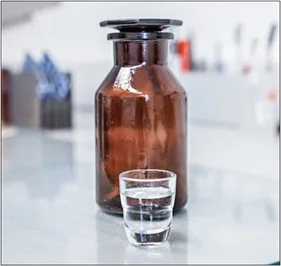
    Everyone has probably experienced it before. Water that has been sitting in a plastic bottle in a warm car for a while has a strange taste. This or something similar could be the description of a consumer who is not familiar with the sensory testing of food contact materials (FCM, food contact materials). And that’s exactly what we test in our test service in Oldenburg, so that even in a warm car, water has no off-taste.

    Sensory testing for assessing compliance with legal requirements for food packaging

    At EU level, Regulation (EC) No 1935/2004 (“Framework Regulation”) stipulates that food contact materials (such as flexible packaging, coatings, closures, kitchen utensils, etc.) must be manufactured in such a way that they do not adversely affect the organoleptic properties (taste, but also smell and appearance) of food (Article 3c of the Regulation). This means that in addition to migration testing of the respective material, sensory testing is also necessary to detect any odor or taste deviations. Even when legal migration limits are met, e.g. according to Regulation (EU) 10/2011 (Plastics Regulation), a food can become unusable for the consumer due to off-taste/odor.

    Causes of such deviations can be, for example, impurities and/or degradation products of the raw materials used for the manufacture of the material or contaminations from the manufacturing process, which then transfer to food in contact with it and negatively affect the smell and/or taste.

    Test persons

    At Innoform, the sensory assessment of food contact materials is generally carried out according to DIN 10955. The test is performed by trained test persons, the so-called test panel. This consists of at least six selected testers with the task of achieving at least six results that are consistent with each other. The test persons must be trained in determining sensory deviations (visual, orthonasal, gustatory, retronasal, trigeminal stimuli, etc.) that can be caused by food contact materials. For example, it is regularly checked whether the corresponding basic tastes (sweet, sour, salty, bitter, umami) are recognized and sufficient sensitivity (stimulus threshold, recognition threshold) is present.

    The great advantage of human taste/smell is its sensitive perception. Where measuring devices reach their analytical limits, humans can still perceive even the smallest amounts of odor- or taste-active substances.

    An image containing indoors, wall, person, clothing.

AI-generated content may be inaccurate.An image containing indoors, solution, table, bottle.

AI-generated content may be inaccurate.

    Odor testing

    The odor emission of food contact materials (the inherent odor) is not legally regulated and is therefore not mandatory for compliance testing of the material. However, the customer is often the strictest tester, so a noticeable odor can be reason enough not to buy or reject a product or material. Testing for inherent odor can therefore be very useful, e.g. in quality assurance (incoming goods inspection) or in the development of new materials.

    Odor testing is carried out using odor-neutral, sealable glass containers into which the sample material is placed and stored according to the requirements of the standard. Subsequently, the sample containers are smelled and the detected odor is evaluated using an intensity scale from 0 to 4. From a score of 2 (weak deviation, definable), a description of the odor (e.g. bitter almond, burnt, etc.) is also given.

    Taste testing

    For testing the transfer of sensorially perceptible substances to a test food (e.g. water, but also butter cookies, chocolate, fat, etc.), the samples are brought into contact (incubated) with the test food in a suitable manner under defined conditions (temperature/time) and then compared with a reference sample (test food without sample contact).

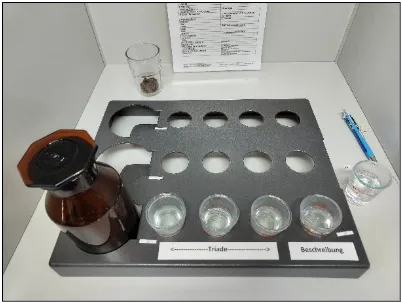
    The test is carried out as a so-called coded triangle test, combined with a Difference from Control Test (DfC test) and a simple descriptive test. In a first step, each test person receives three sample glasses (so-called triad), which contain the actual sample and the reference sample. This determines whether a significant difference between sample and reference sample can be detected. Subsequently, the sample is assessed in comparison to the reference using an intensity scale from 0 (no deviation detectable) to four (strong deviation) (DfC test); from a score of 2 (weak deviation), a description of the taste is also given (e.g. sweetish, bitter, etc.).

    Assessment scale:

    Score 0 = no perceptible taste deviation

    Score 1 = just perceptible (still difficult to define) taste deviation

    Score 2 = weak taste deviation

    Score 3 = clear taste deviation

    Score 4 = strong taste deviation

    Evaluation of sensory testing

    For the evaluation according to DIN 10955, the results of at least six test persons are required. If there are large deviations from each other, individual results can be deleted if the test panel is of a certain size; if this is not possible, the test must be repeated if necessary. The final result is then calculated as the median of all usable results.


    According to the 63rd communication of the Federal Institute for Risk Assessment (BfR), the following assessment values are used as recommendations to evaluate from which intensity of deviation or ‘off-taste’ a food is considered “impaired”:

    • when testing with original food under typical contact conditions ≥ 2.0 (reaching the recognition threshold)
    • when testing with test food under standardized test conditions ≥ 3.0 (clear deviation).

    From a score of 3 according to this method, the test should be repeated with the actual intended food under application conditions. From a score of 2 (weak sensory deviation), the cause of the deviation should be determined.

    If you have any questions, please contact fcm@innoform.de. We will be happy to prepare a quote for the sensory testing of your material. Or inform yourself online and use our online ordering service.

  • Measuring cells for oxygen and water vapour permeation: standard vs. edge effect measuring cell

    Measuring cells for oxygen and water vapour permeation: standard vs. edge effect measuring cell

    Packaging materials often need to act as a barrier against oxygen (O₂) and water vapour (moisture) to keep food fresh and ensure a long shelf life. The permeation rate (OTR for oxygen transmission rate and WVTR for water vapour transmission rate) indicates how much gas diffuses through a material. These rates can be determined precisely using special testing instruments, such as the MOCON (Ametek) permeation testers. The film or packaging to be tested is clamped into a measuring cell that separates two chambers (one side with a high gas concentration, the other one with an inert carrier gas). This allows the amount of O₂ or H₂O that penetrates the material per unit of time to be measured.

    Standard measuring cells vs. edge effect measuring cells

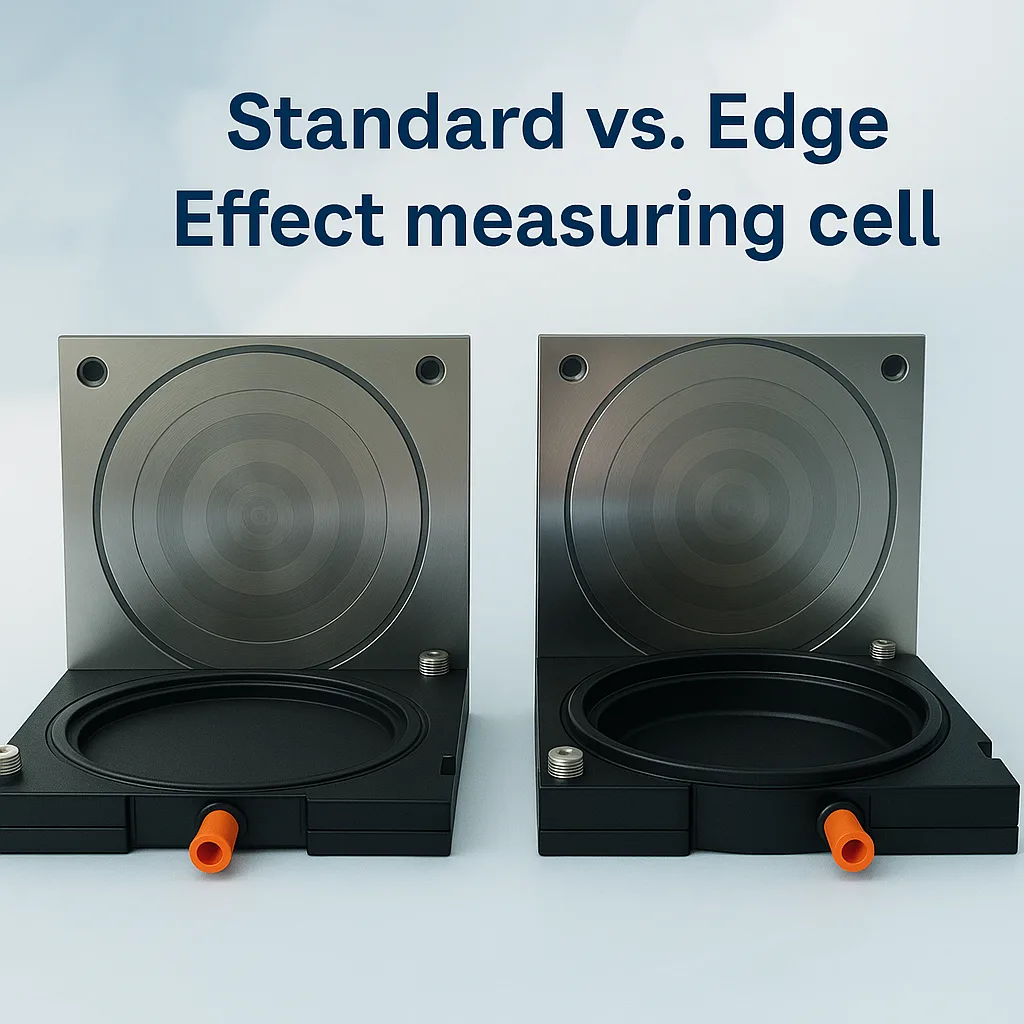
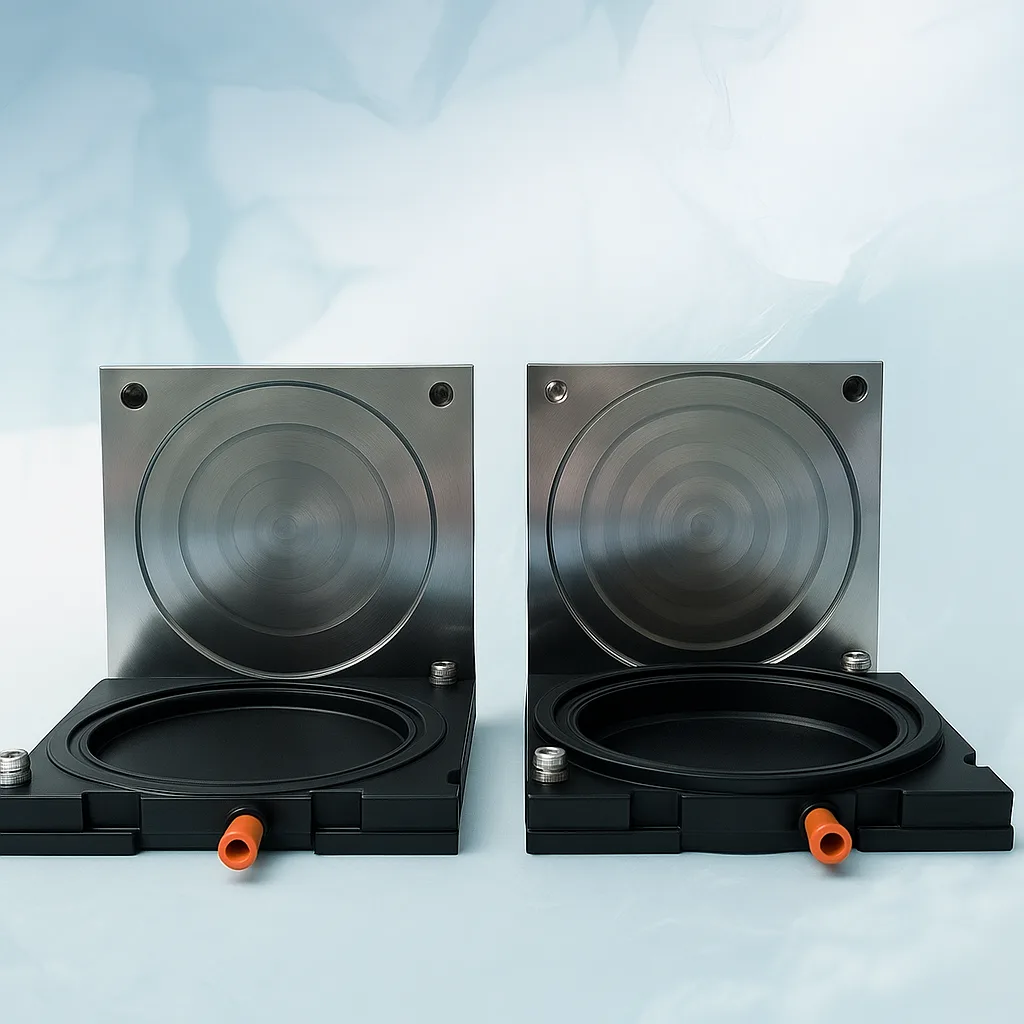
    In practice, different types of measuring cells are used. On the left side of the image, you can see a standard measuring cell, and on the right side, an edge effect measuring cell (here from Mocon Ametek). Both serve the purpose of tightly enclosing the sample, but differ in design and performance:

    • Standard measuring cell: Here, the sample is clamped flat between seals (e. g. an O-ring). This proven design delivers reliable results for homogeneous plastic films.
      Challenge: With certain materials – such as coated papers or fibre-based composites – leaks can occur at the edges of the samples. The reason: gas can penetrate the measuring area from the side through porous structures or uneven edges if the film does not lie completely flat everywhere. This phenomenon, known as the “edge effect”, leads to inhomogeneous sealing surfaces and falsified measurement results, as additional oxygen/water vapour can penetrate around the sides of the sample. Standard measuring cells are therefore less suitable for such materials – the measurement results would indicate an excessively high permeation rate, even though the centre of the film is actually denser than the edge.
    • Edge effect measuring cell: To prevent these edge leaks, MOCON Ametek has developed special edge effect measuring cells. Design features include a raised edge and additional seals that completely and homogeneously seal the sample perimeter. This “dam” construction (dam structure) shields the edges from the ambient air. A TruSeal® purge ring is often used: inert gas is fed between two seals, immediately purging any oxygen or moisture that may have penetrated from the edge area. In this way, the edge effect is effectively eliminated by sealing the sample edges during the test and preventing O₂ or H₂O from penetrating from the outside. The result: uniform sealing surfaces without leak paths and thus significantly more stable, more precise measurement results. Background permeation (zero value) decreases, making even the slightest permeabilities more accurately detectable. In short, such edge effect cells enable accurate and reproducible measurement of oxygen and water vapour permeability even for materials with inherent edge leakage (e. g. coated paper composites).

    Innoform Testservice – Your specialist for permeation measurement

    As an independent testing laboratory, Innoform Testservice offers accredited testing methods for OTR and WVTR – we use the appropriate measuring cells depending on the material and the issue at hand. Our laboratories are equipped with modern MOCON OX-TRAN and AQUATRAN systems, enabling us to use both standard measuring cells for common film tests and edge effect measuring cells for demanding materials. This ensures that you always receive reliable measurement results for the oxygen and water vapour permeability of your packaging. Innoform is your expert partner for all aspects of barrier testing and will be happy to advise you on selecting the appropriate test method.

    Note: All measurements are performed in accordance with international standards (e. g. ASTM D3985 for O₂ and ASTM F1249/ISO 15106 for H₂O) and under controlled conditions to ensure the comparability and quality of the results.

    Conclusion: With our expertise and the right measurement technology – whether standard or edge effect – we help to evaluate the barrier properties of packaging in a well-founded manner.

    Contact: Dr. Daniel Wachtendorf, +49 441 94986-22

    Click here to access our free online permeation calculator. A tool for anyone who wants to calculate the permeation properties of barrier films theoretically first.

  • Plastic-Free” on Paper Cups with Acrylate Coating? – New Statement from ALS

    Plastic-Free” on Paper Cups with Acrylate Coating? – New Statement from ALS

    The Working Group of Food Chemistry Experts of the Federal States and the Federal Office of Consumer Protection and Food Safety (ALS) published a statement on coatings of food contact materials made from cardboard at their 124th meeting. Specifically, the statement addresses paper cups and similar products coated with acrylate-styrene copolymers (e.g., acrylonitrile-styrene-acrylate copolymer) to create a moisture barrier.

    Key Points of the Statement

    • Definition of “Plastic”: According to EU regulations (Regulation (EU) No 10/2011, Single-Use Plastics Directive and Labeling Regulation), polymers are generally classified as plastics. This also includes acrylate-styrene copolymers in coatings and varnishes.
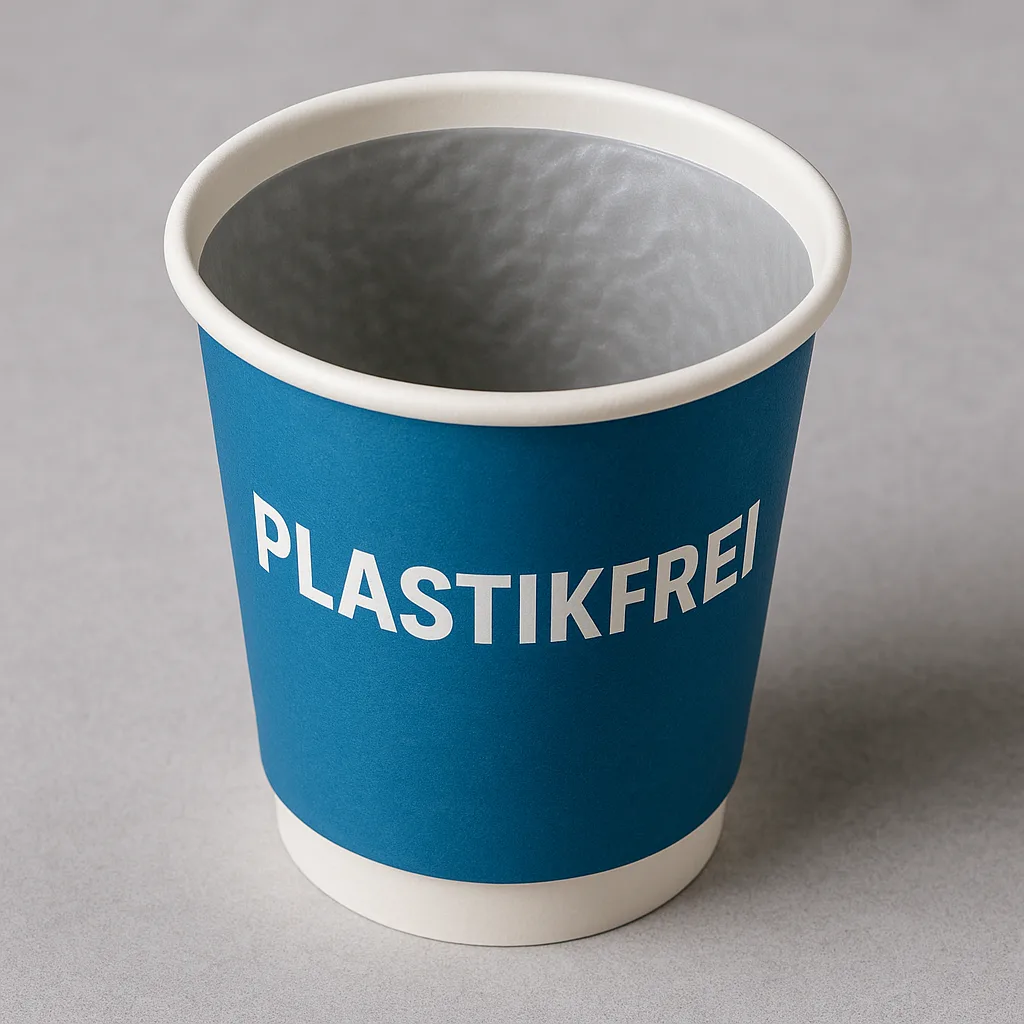
    • Risk of Misleading Claims: If a coated paper cup is advertised as “plastic-free” or “free from plastic,” this constitutes misleading information within the meaning of Article 3(2) of Regulation (EC) No 1935/2004 and Section 33(1) LFGB. Reason: Consumers associate these claims with environmental benefits that do not actually exist.
    • Assessment Consequences: For evaluation purposes, it is decisive that the coatings used are synthetic polymers. Accordingly, they must be legally classified as plastic.

    Practical Implications

    For manufacturers and distributors of food packaging, this means: Advertising coated paper packaging as “plastic-free” is not permissible if polymer-based coatings are used. Otherwise, legal consequences for misleading claims may result.

    Source

    The complete statement can be found on the BVL homepage: www.bvl.bund.de/als

    Download original text: https://www.bvl.bund.de/SharedDocs/Downloads/01_Lebensmittel/ALS_ALTS/ALS_Stellungnahmen_124_Sitzung_2025.pdf?__blob=publicationFile&v=2

    If you would like to have products tested for plastic-free status, contact Dr. Daniel Wachtendorf +49 441 94986-22 and find out more here:

  • Plastics in paper packaging

    Plastics in paper packaging

    Part 1: Overview for food and consumer goods

    Reasons for plastic content in paper packaging

    Paper alone does not offer all the properties required for the protection and shelf life of packaged goods. Without a chemical or plastic-based coating, paper/cardboard cannot fulfil many packaging functions – especially in direct contact with food. For this reason, paper is often provided with a thin layer of plastic that serves as a functional barrier. Typical reasons for the use of plastic components are

    • Moisture and liquid protection: Paper is naturally permeable to water and water vapour. A plastic coating, on the other hand, makes the packaging resistant to water, moisture and liquids so that, for example, no water or water vapour can penetrate. This prevents the paper from softening or becoming soggy – for example with frozen food packaging or cups for hot drinks.
    • Fat and oil barrier: Foods with a high fat content (fast food, baked goods, snacks) require a fat-repellent inner coating. Plastic layers prevent the packaging from becoming greasy. Without this barrier, oils and fats would penetrate the paper and make it soggy or unsightly.
    • Gas and flavour protection: Many foods need to be protected from oxygen, carbon dioxide or other gases to ensure a long shelf life. Paper is permeable to gases, so a plastic with very low permeability is often used. For example, special polymers provide almost impermeable oxygen and flavour protection so that the flavour of coffee is retained in paper-based coffee packaging and no air penetrates from the outside.
    • Hygiene and product safety: A continuous plastic layer on the inside can serve as a safe contact surface with the food. It prevents fibres or particles of the paper from getting into the food and can thus ensure sensory neutrality (no foreign odour or taste). In addition, such layers can act as a functional barrier that reduces the transfer of undesirable substances (e.g. printing inks from the paper) into the food.
    • Sealability (sealing): Many types of packaging – bags, coated paper films, to-go cup lids, etc. – must be thermally sealed to ensure a tight seal. Pure paper cannot simply be welded. The plastic component, on the other hand, is weldable, i.e. it melts when heated and thus enables stable sealing seams. Without the plastic component, coffee cups, for example, could not be sealed tightly with lids and paper bags could not be sealed automatically.
    • Mechanical stability: In some cases, the plastic content also contributes to the tear resistance and stabilisation of the composite material. The plastic layer can reinforce the paper and make it less susceptible to tears, punctures or mechanical stress – important for heavy or pointed packaged goods, for example.

    To summarise, thin plastic layers make it possible to give paper-based packaging similar protective properties to pure plastic packaging without losing the outward appearance of “cardboard/paper”. Moisture, grease, gases and germs are kept out and the packaging remains stable and sealable, which is crucial for ensuring product quality and shelf life. Studies typically put the plastic content of such functionalised paper packaging at up to around 10-20% by weight of the total packaging – a seemingly small proportion, but one that has a major impact on the performance of the packaging.

    If you would like to know how the plastic content is tested and categorised, please subscribe to our newsletter – updates will follow.

    Author: Dr Daniel Wachtendorf, Innoform GmbH August 2025

  • Plastics in Paper Packaging

    Plastics in Paper Packaging

    Part 1: Overview for Food and Consumer Goods

    Introduction

    Paper-based packaging is often considered an environmentally friendly alternative to pure plastic. In recent years, a trend towards more fibre-based packaging for food and everyday items has been observed in the EU. But appearances can be deceptive: many of these paper and cardboard packaging materials contain plastic components, for example in the form of thin coatings or films, to fulfill certain functions. In fact, plastics are used in most food-related paper packaging, which means that nominally “plastic-free” or “compostable” packaging often does contain plastic. This introductory article highlights typical reasons for such plastic layers, common plastic types and their functions, initial regulatory aspects in the EU context, as well as environmental aspects (recycling, microplastics, compostability). It forms the beginning of a series of blog posts and is intended to provide a fundamental overview.

    Reasons for Plastic Components in Paper Packaging

    Paper alone does not provide all the properties required for the protection and shelf life of packaged goods. Without a chemical or plastic-based coating, paper/cardboard cannot fulfill many packaging functions – especially in direct food contact. For this reason, paper is often provided with a thin plastic layer that serves as a functional barrier. Typical reasons for using plastic components are:

    • Moisture and liquid protection: Paper is naturally permeable to water and water vapor. A plastic coating, however, makes the packaging resistant to water, moisture and liquids, so that, for example, no water or water vapor can penetrate. This prevents the paper from softening or becoming soaked – for example with frozen food packaging or cups for hot beverages.
    • Grease and oil barrier: Foods with high fat content (fast food, baked goods, snacks) require a grease-resistant inner coating. Plastic layers prevent grease from penetrating the packaging. Without this barrier, oils and fats would penetrate the paper and make it soggy or unsightly.
    • Gas and aroma protection: Many foods must be protected from oxygen, carbon dioxide or other gases to ensure a long shelf life. Paper is gas-permeable; therefore, a plastic with very low permeability is often incorporated. For example, special polymers provide an almost tight oxygen and aroma barrier, so that the aroma of coffee is preserved in paper-based coffee packaging and no air penetrates from outside.
    • Hygiene and product safety: A continuous plastic layer on the inside can serve as a safe contact surface for food. It prevents fibers or particles from the paper from getting into the food and can thus ensure sensory neutrality (no foreign odor or taste). In addition, such layers can act as a functional barrier that reduces the migration of undesirable substances (e.g. printing inks from the paper) into the food.
    • Sealability: Many packaging materials – pouches, coated paper films, to-go cup lids, etc. – must be heat-sealed to close tightly. Pure paper cannot be easily welded. The plastic component, however, is heat-sealable, meaning it melts when heated and thus enables stable seal seams. Without a plastic component, for example, coffee cups could not be tightly sealed with lids or paper pouches could not be automatically sealed.
    • Mechanical stability: In some cases, the plastic component also contributes to the tear resistance and stabilization of the composite material. The plastic layer can reinforce the paper and make it less susceptible to tears, punctures or mechanical stress – important, for example, with heavy or sharp packaged goods.

    In summary, thin plastic layers make it possible to give paper-based packaging similar protective properties to pure plastic packaging without losing the external appearance as “cardboard/paper”. Moisture, grease, gases and germs are kept out and the packaging remains stable and sealable, which is crucial for securing product quality and shelf life. Studies typically quantify the plastic content of such functionalized paper packaging at up to about 10-20 percent by weight of the total packaging – a seemingly small proportion that, however, has a large impact on the packaging’s performance.

    If you would like to know how the plastic content is tested and classified, please subscribe to our newsletter – continuations will follow.

    Author: Dr. Daniel Wachtendorf, Innoform GmbH August 2025

  • Key Findings of the PPWR at a Glance

    Key Findings of the PPWR at a Glance

    Many companies are currently facing the challenge of understanding and implementing the specific requirements of the new EU Regulation 2025/40 on packaging and packaging waste. The following article is based on a web seminar* by Innoform Coaching and provides a practice-oriented overview of the central content of the regulation – from stricter recycling quotas to extended producer responsibility. A compact overview of obligations, deadlines and areas of action is included for implementation.

    Dieter Finna

    The European Packaging Regulation EU 2025/40, known as the Packaging and Packaging Waste Regulation (PPWR), forms the updated legal framework for packaging and packaging waste in the European Union.

    It replaces the previous Packaging Directive 94/62 EC and amends, among others, Regulation (EU) 2019/1020 (Compliance Regulation) and Directive 2019/904 (Single Use Plastic). The aim of the regulation is to significantly reduce packaging waste, promote recycling and circular economy, and harmonize requirements within the European Union. It entered into force on February 11, 2025 and applies directly in all EU Member States, meaning that implementation into national laws is not required. With entry into force, a transitional period of 18 months began, after which the provisions of the regulation are to be applied bindingly from August 2026.

    The PPWR comprises 71 articles and 12 annexes and forms a comprehensive legal framework that is not fully formulated in many parts. Numerous specific requirements will be supplemented by delegated acts and implementing acts, which will be determined step by step by the EU Commission and published in good time before the respective obligations enter into force.

    Definition of Roles

    The PPWR explicitly describes the various roles from which the specific obligations of the actors are derived. A novelty is the distinction between producers and manufacturers. A producer is defined as the one who manufactures packaging or a packaged product. A manufacturer is the one who places the packaging (as a producer, importer or distributor) on the market. An importer is the one who places packaging or packaged products from a third country on the Union market. They have particular due diligence obligations regarding compliance.

    Responsibility as Producer and Manufacturer

    Manufacturers are subject to extended producer responsibility (EPR), which is described in detail in the PPWR. Manufacturers are obliged to ensure recyclable packaging design (Design for Recycling, DfR) and they bear responsibility for the design, material selection and labeling of packaging. Even if packaging is manufactured by a producer, responsibility for its compliance and recyclability remains with the manufacturer.

    The producer, in turn, is obliged to develop and provide suitable materials that meet the requirements for recyclability and sustainability. In addition, they must provide technical evidence and a declaration of compliance for the packaging product. As the producer, they have detailed knowledge of the material composition and are therefore obliged to provide the technical evidence.

    Restriction of Hazardous Substances

    Packaging placed on the market must be manufactured in such a way that the concentration of substances of concern in packaging material or packaging components is kept to a minimum. The regulation refers in Article 5(4) to Regulation (EC) No 1935/2004, according to which the sum of the concentrations of lead, cadmium, mercury and hexavalent chromium from substances in packaging or packaging components must not exceed 100 mg/kg.

    For packaging that comes into contact with food, limit values for PFAS (per- and polyfluorinated alkyl substances) are also set, which will apply from 2026. They are detailed in Article 5(5). This affects, for example, PFAS-containing processing aids that are added during the extrusion of films to reduce friction. Clear limits are set here.

    Reduction of Packaging Volume

    Currently, packaging accounts for 40% of plastic consumption in the European Union. By 2030, the packaging volume is to be reduced by 5%, by 2035 by 10% and by 2040 by 15%, based on the reference year 2018. This is to be implemented through avoidance of unnecessary packaging, reduction of packaging material, promotion of reusable systems and reduction of single-use packaging.

    Recyclability of Packaging

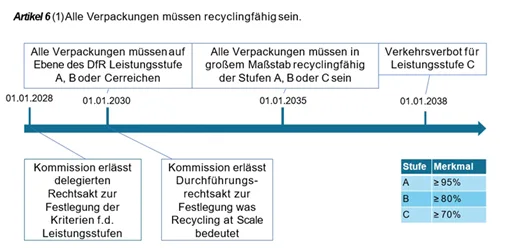
    Packaging materials should be reused as secondary raw materials as often as possible. This presupposes their recyclability, particularly for polymers, which Article 6 specifies at the Design for Recycling (DfR) level by 01.01.2030. From 01.01.2035, recyclability also applies “at scale”, i.e. on an industrial scale in a corresponding material stream. What exactly recycling at scale means will be issued by the Commission in an implementing act by 01.01.2030.

    In the future, there will be three performance levels for packaging material, which indicate the percentage of its recyclability. The exact criteria for determining the performance levels will be issued by the Commission by 01.01.2028. Level A will include materials that are ≥ 95% recyclable, B materials that are ≥ 80% and C those that are ≥ 70% recyclable. Materials with a recyclability < 70% count as technically non-recyclable materials. From 2030, there will be a ban on placing them on the market, which will also extend to performance level C materials from 01.01.2038.

    Article 6(1) of the PPWR, Recyclability (Source: Dr. Andreas Grabitz, presentation “Regulatory Challenges” Inno-Meeting, Osnabrück, Feb. 2025)

    Minimum Recycled Content in Plastic Packaging

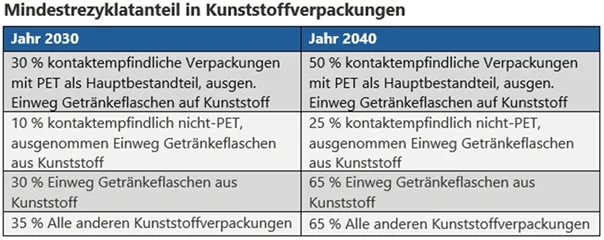
    By 2030, PET packaging must contain 30% recycled content, other contact-sensitive packaging 10%, and non-contact-sensitive packaging 35%. When selecting materials, mono-materials and non-colored materials are preferred to increase recyclability.

    For pharmaceutical packaging, the requirements of the PPWR regarding minimum recycled content do not apply until 2038. The reason for this is the particular sensitivity in this sector – there must be no transfer of packaging materials to the medicine. In 2038, it will be reassessed at the European level whether and to what extent the pharmaceutical sector must also comply with minimum recycled content quotas in the future – possibly with requirements to be implemented by 2040 or beyond.

    Requirements for minimum recycled content in plastic packaging from the year 2030 (Source: pack.consult)

    And here you can access the web seminar series on this topic.

    Questions and suggestions welcome to Daniel Wachtendorf ts@innoform.de

  • Re-evaluation of Styrene by the EFSA

    Re-evaluation of Styrene by the EFSA

    What consequences are to be expected? 

    The risks to public health associated with the genotoxicity of styrene in plastic food contact materials have been re-evaluated by the EFSA. 

    ✅ Background 

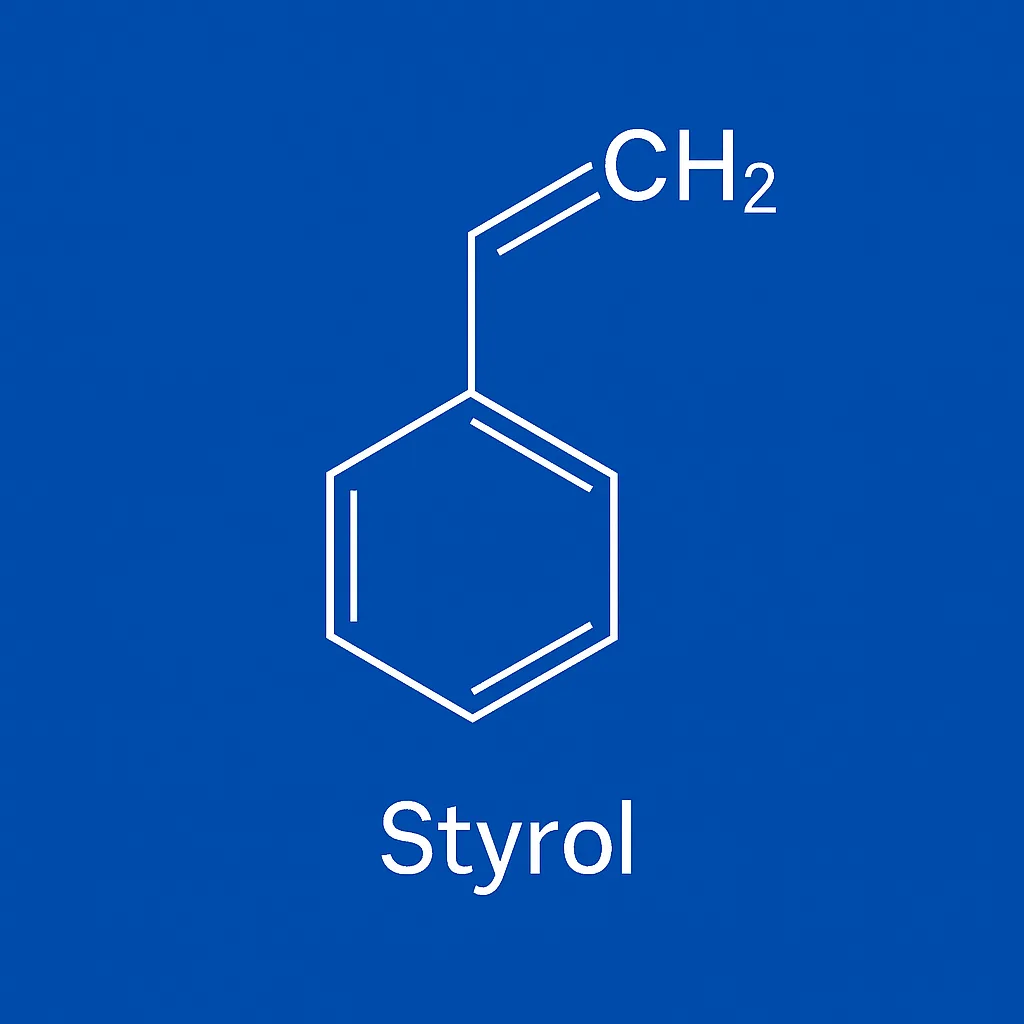
    Styrene is approved in the EU as a monomer for the production of polystyrenes used in packaging with direct food contact. Following the IARC classification in 2018 as “probably carcinogenic to humans,” EFSA was commissioned in 2020 to re-evaluate the genotoxicity. In the course of the re-evaluation, uncertainties regarding the genotoxicity of styrene after oral intake were identified, meaning that additional data were required for a final assessment. The EU Commission plans a specific migration limit (SML) of 0.04 mg/kg food. In 2023, EFSA was therefore requested to re-evaluate the safety of styrene for use in food packaging materials at a maximum migration of 0.04 mg/kg food. 

    🔍 Approach & Data Basis 

    Based on data provided by the US Styrenic Information and Research Center (SIRC), a literature review (period 2018 to 2024), and studies reported in the IARC Monograph 2019, EFSA evaluated the reliability of in vivo studies on genotoxicity and the relevance of the results, toxicokinetic studies (absorption, distribution, metabolism, and excretion), as well as data on human exposure. This resolved the uncertainties from the 2020 assessment.  

    🧪 Results & Implications 

    EFSA found no scientific evidence of genotoxicity of styrene after oral exposure in rodents. The results of reliable oral in vivo genotoxicity studies covering various genetic endpoints and target tissues showed that oral administration of styrene to mice and rats up to the maximum tolerated dose (300 and 500 mg/kg body weight, respectively) did not induce genotoxic effects.  

    For substances that are demonstrably non-genotoxic, according to EFSA guidelines for food contact materials (FCM), an SML of up to 0.05 mg/kg food would not be safety-relevant. Consequently, the use of styrene in the manufacture of FCM while complying with the SML of 0.04 mg/kg food proposed by the European Commission is not a safety concern. 

    Currently, styrene is listed in Regulation (EU) No. 10/2011 without a limit value. In our opinion, it is to be expected that a limit value of 0.04 or possibly 0.05 mg/kg food will be included.  

    📋 Original Texts 

    EFSA summary in plain language from June 10, 2025:  
    Re-evaluation of risks to public health related to the genotoxicity of styrene in plastic food contact materials  

    Related Scientific Publication 

    Re-evaluation of risks to public health related to the genotoxicity of styrene in plastic food contact materials 

     DOI: https://doi.org/10.2903/j.efsa.2025.9473 

    Conclusion: The EFSA re-evaluation shows that styrene does not induce genotoxic effects after oral intake. The uncertainties from the 2020 assessment have been resolved, and the use of styrene in food packaging materials while complying with the proposed specific migration limit (SML) of 0.04 mg/kg food is not a safety concern.

    Recommendation: For companies using styrene-containing packaging materials, it is advisable to observe and comply with the SML of 0.04 mg/kg food proposed by the European Commission already now. This ensures the safety of packaging and minimizes potential health risks for consumers. Furthermore, we recommend staying informed about future amendments to Regulation (EU) No. 10/2011, as a limit value of 0.04 or possibly 0.05 mg/kg food could be included.

    If you have any questions, please contact fcm@innoform.de. We are happy to provide you with a quote for specific migration of styrene.

  • PFAS in Flexpack – Challenges and Solutions

    PFAS in Flexpack – Challenges and Solutions

    The abbreviation “PFAS” stands for per- and polyfluoroalkyl substances. This is a large group of several thousand chemicals (approximately 5,000 – 15,000 depending on the source of information) that have been used for decades in numerous industrial and consumer applications due to their water-, fat- and dirt-repellent properties. They are particularly common in paper-based food packaging – such as fast food packaging, pizza boxes or microwave popcorn bags. For food contact materials, the most well-known representative of this group is polytetrafluoroethylene, which is used under the trade name “Teflon®” for non-stick coatings on cookware (pots, pans), for example.

    PFAS

    At the latest since the entry into force of the “PPWR” (Packaging and Packaging Waste Regulation – Regulation (EU) 2025/40), the topic of PFAS is on everyone’s lips and leads to uncertainty for many about how to deal with these substances.

    This article gives you a brief overview of the most important information on the topic of PFAS and answers the question of whether and how you should act as a manufacturer/user of food packaging.

    Migration from Packaging into Food

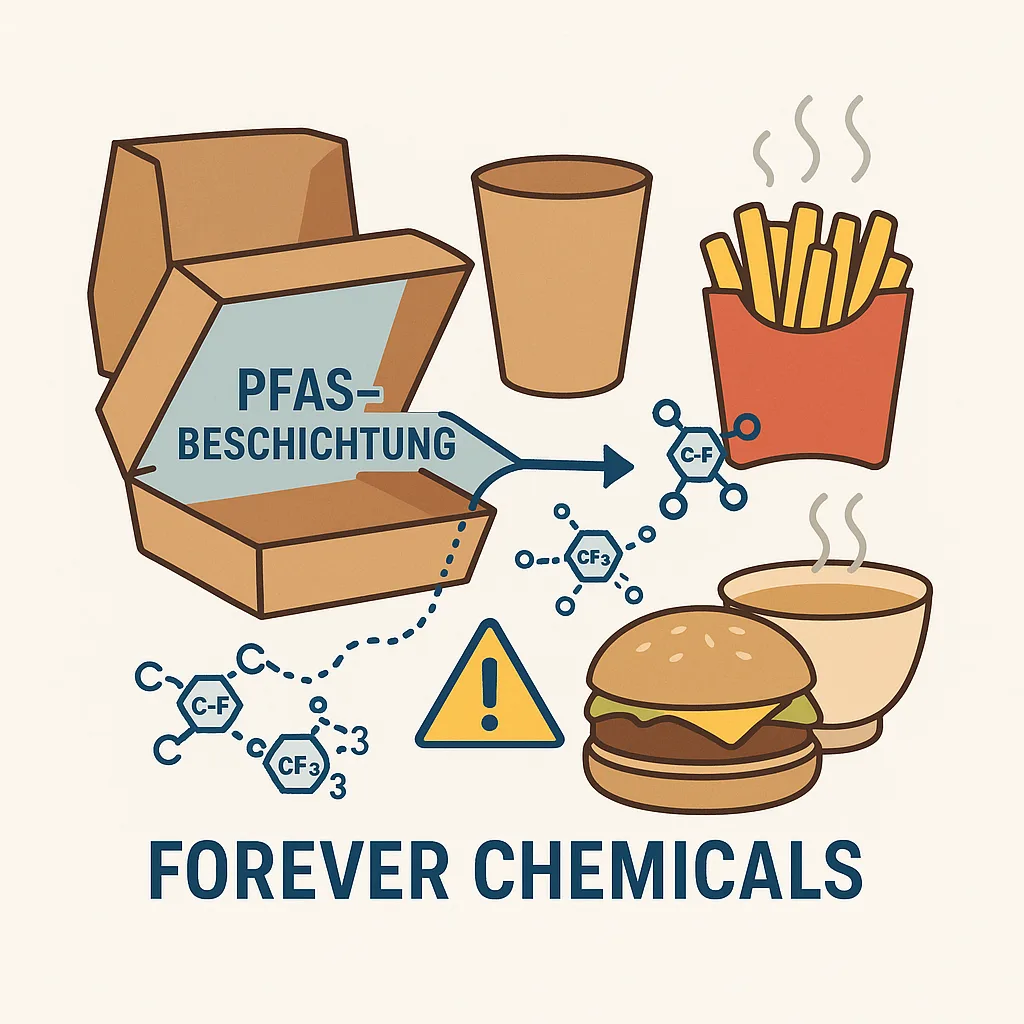
    PFAS are particularly problematic because they are chemically extremely stable, i.e. they resist biological degradation, heat, light and chemicals. They are frequently used in paper-based food packaging to ensure moisture and fat resistance, but they are also used in flexible film packaging as extrusion aids or process additives. These “forever chemicals” can then migrate from (coated) packaging into food, especially upon contact with hot, greasy or liquid foods. Studies show that foods from PFAS-coated packaging can absorb significant amounts of these substances or their reaction products.

    An important aspect: Even packaging declared as “compostable” or “sustainable”, for example made from molded pulp, often contains PFAS to achieve the necessary barrier properties against fat and moisture. Such materials can release PFAS during composting, which then re-enter the environment and thus potentially back into the food chain via soils, plants or animal feed.

    Health Risks and Alternatives

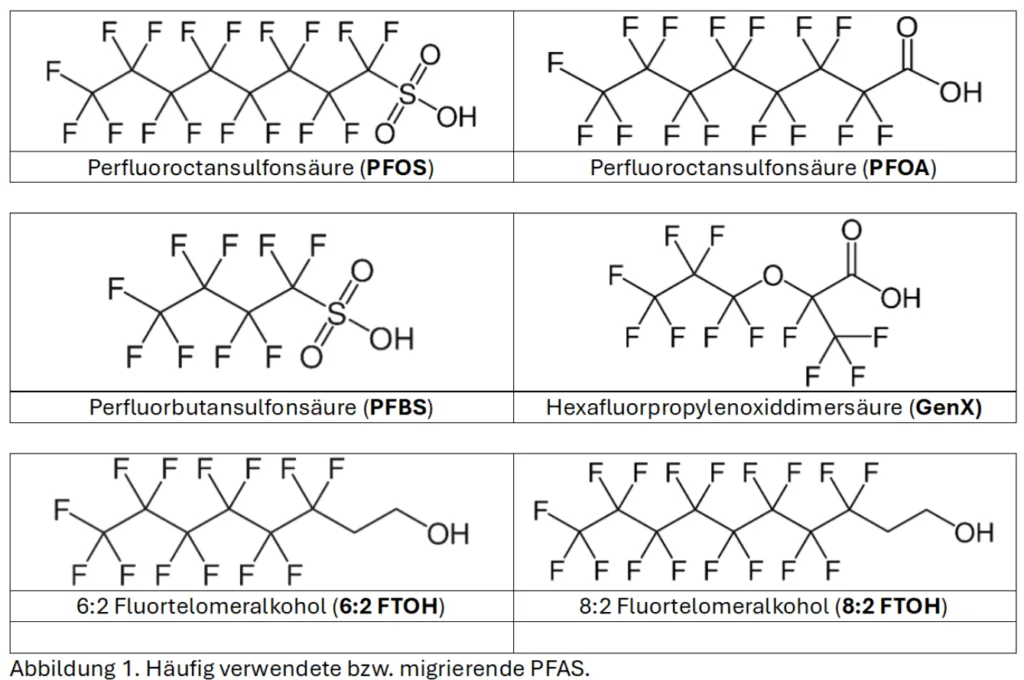
    PFAS are extremely persistent and bioaccumulative, accumulating primarily in blood, liver and lungs. The majority of human exposure occurs through diet, according to estimates around two thirds, as well as through drinking water and house dust. The chronic intake of PFAS through contaminated food poses an ever-growing risk. The health risks are now well documented, especially long-chain PFAS (e.g. PFOA, PFOS) are associated with health problems such as reproductive disorders, immunosuppression and tumor formation. But even newer, short-chain alternatives such as GenX (named after the manufacturing process) or PFBS show toxicological effects and are critically evaluated due to their high mobility and environmental persistence. (G. Glenn et al. Per‑ and polyfluoroalkyl substances and their alternatives in paper food packaging. Comprehensive Reviews in Food Science and Food Safety, 2021)

    Given the known risks, there is a growing need for PFAS-free, functionally equivalent but also biodegradable packaging solutions. Alternatives currently being tested, for example based on polysaccharides (e.g. starch, chitosan), proteins or polylactic acid (PLA), have so far achieved only limited success in achieving the desired fat and moisture barrier properties.

    Analytical Challenges

    The challenge in PFAS analysis lies in their structural diversity and the low concentration in which they occur. Modern analytical methods such as liquid chromatography coupled with high-resolution mass spectrometry (LC-QTOF, LC-MS/MS) enable the detection of even the smallest amounts in various matrices, including food and environmental samples. These systems also allow the identification of previously unknown PFAS or degradation products – an important prerequisite for regulations and risk assessments. However, these methods cannot ensure that all PFAS are detected and quantified, so the total fluorine content is often determined by combustion in an oxygen bomb and ion chromatography. However, this does not separate inorganic and organic fluorides, so misinterpretations are possible.

    PPWR: A Regulatory Turning Point

    Regulation (EU) 2025/40, a central EU initiative on the circular economy, provides comprehensive regulations for packaging with the aim of significantly reducing packaging waste by 2040 and making materials safe and recyclable. Particularly relevant: the PPWR contains clear requirements for the safety of food contact materials.

    The current regulation text explicitly targets the reduction of “substances of concern” in packaging – PFAS are in focus. Manufacturers must in future demonstrate that their packaging is free from persistent, bioaccumulative and toxic substances such as PFAS. Thus, after the expiry of the transition period on 12.08.2026, food packaging may no longer be placed on the market if it contains PFAS in the following concentrations:

    • 25 ppb for each individually analyzed PFAS (excluding polymeric PFAS)
    • 250 ppb for the sum of PFAS, measured as the sum of targeted analysis and, where applicable, degradation of precursor compounds (excluding polymeric PFAS)
    • 50 ppm for PFAS (including polymeric PFAS); if the total fluorine content exceeds 50 mg/kg, the producer or importer must provide evidence of the amount of measured fluorine upon request.

    These regulations are particularly relevant for manufacturers of food packaging, who can already check whether action is needed by measuring the total fluorine content.

    If you have any questions, please contact fcm@innoform.de. We will be happy to provide you with a quote for the determination of total fluorine content.

    You can find tests for PFAS here.

    An article by Dr. Tim Schlüter

    Tim Schlüter
  • Precise evaluation of weather resistance

    Precise evaluation of weather resistance

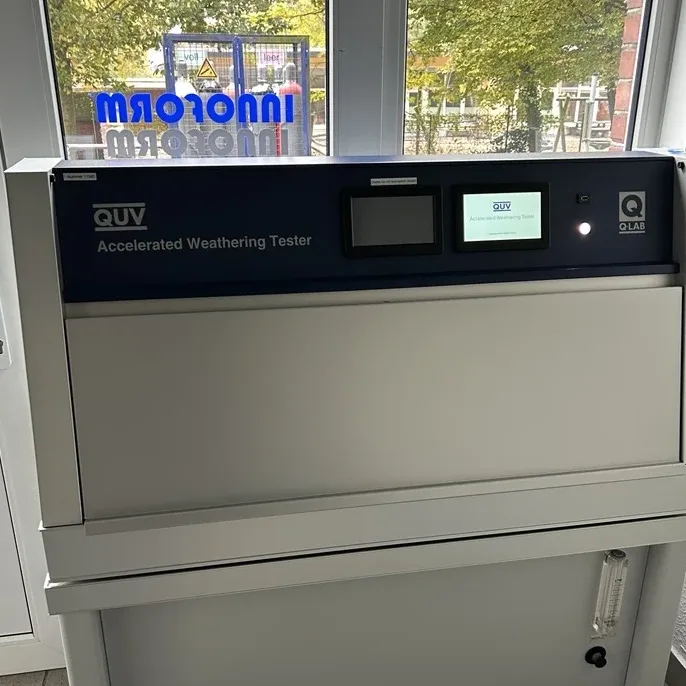
    Q-UV artificial weathering of films and papers helps evaluate weather resistance.

    Overall purpose

    Artificial weathering is an indispensable method for evaluating the long-term durability and weather resistance of plastics. With the help of modern testing devices, such as the Q-UV device, damage caused by UV radiation and moisture can be simulated in a targeted manner. Standardised procedures according to DIN EN ISO 4892-3 and DIN EN 14932 allow realistic ageing processes to be efficiently reproduced. This method provides important insights, particularly for applications in the construction, automotive and agricultural industries. The results are a significant aid to product development and quality assurance.

    Test methods to proof the weather resistance

    Artificial weathering of plastics is an essential part of materials testing focused on weather resistance. It is used to assess the long-term durability of materials when exposed to UV radiation, humidity and temperature. While test methods using xenon arc lamps simulate a broad light spectrum, UV fluorescent lamps enable targeted investigations in the short-wave UV range.

    With the addition of a Q-UV device, tests can now be carried out in accordance with DIN EN ISO 4892-3 and DIN EN 14932. These standards define test methods for assessing the artificial weathering of plastics with UV radiation and moisture. This greatly affects weather resistance. The procedure is particularly relevant for applications in which plastics are exposed to intense solar radiation. These applications include the building industry, the automotive industry, and especially in agriculture.

    The Q-UV tester simulates the damaging effect of UV light and moisture by cyclically exposing the samples. UV fluorescent lamps that emit in defined wavelength ranges are used. Radiation in the UV range has a high energy density and is capable of breaking molecular bonds in plastics. This process leads to embrittlement, discolouration or a loss of mechanical properties.

    In addition to UV radiation, the sample is periodically exposed to moisture in the form of condensation or spray. This cyclical combination of radiation and moisture provides a realistic ageing simulation. It is highly relevant to various classes of materials and their weather resistance.

    The addition of Q-UV to the test capabilities complements existing artificial weathering methods. It allows detailed assessment of material ageing under specific conditions. This knowledge is vital for both product development and quality assurance across a range of industries.

    Find more tests on these subjects here.

Datenschutz