Innoform Testservice frequently receives requests to test the mechanical strength of flexible (barrier) materials. These materials play a crucial role in many applications, from food packaging to technical protective films. A proven method for testing the mechanical strength of these materials is the gelbo flex test in accordance with ASTM F 392, which focuses in particular on the crease and buckling resistance of barrier materials such as film or paper laminates.
What is the gelbo flex test?
The gelbo flex test simulates the stresses to which flexible films are exposed during use. A film sample is stretched onto two rings in the shape of a tube and exposed to repeated pressure and squeezing movements. The intensity and frequency of these movements can be varied to simulate different application scenarios. When performing the test, a distinction is made between two main types, complete and partial twisting. These different methods make it possible to accurately simulate the specific requirements of different applications.
After loading: testing the samples
After the mechanical stress caused by the yellow flex test, the film samples can be further analysed in two ways:
Optical examination for pinholes: In this case, the sample is checked for small holes or weak points that may have been caused by the mechanical stress. This can be done either with the aid of a light table or a special test liquid. These pinholes may significantly affect the barrier properties. 2. permeation test: Using this method, the barrier effect of the stressed sample is compared with that of an untreated sample. This shows the extent to which the mechanical load influences the film’s ability to retain gases or water vapour.
Why is the gelbo flex test important?
In practice, high demands are placed on flexible materials. The yellow flex test offers a standardised method for evaluating the mechanical strength of these materials under realistic conditions. This enables manufacturers and users to ensure the quality and reliability of their products.
Conclusion
Innoform Testservice is your competent partner for testing the mechanical strength of flexible materials. With the gelbo flex test in accordance with ASTM F 392, we offer you a reliable method for testing and optimising the strength and barrier properties of your materials. Trust in our expertise and experience to ensure the quality of your products. www.innoform-testservice.de
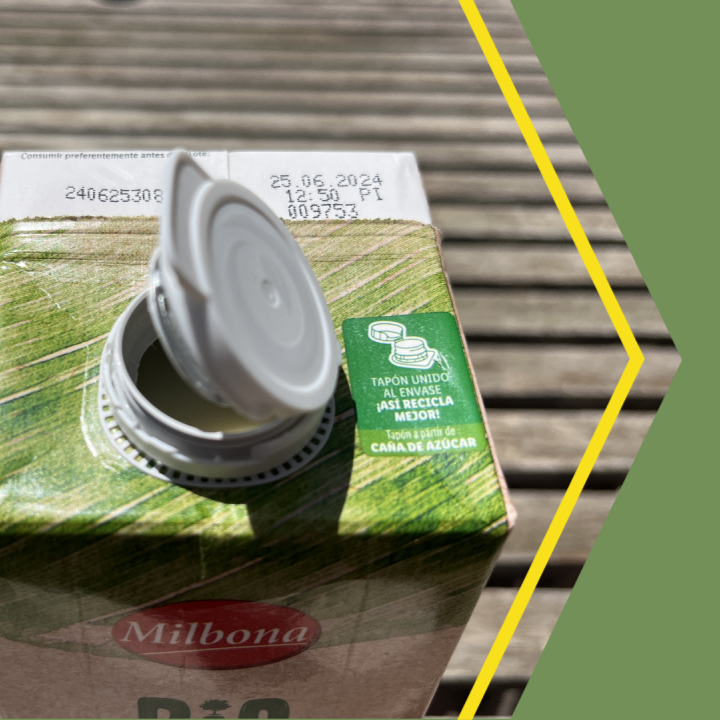
Hallo, I am the new Easy Opening cap – your hero on the beverage carton!
The EU did not think of that when they told me to live on the packaging.
Stay by my side, I will show you the world of beverages anew!
Hey, it is me, the brand new cap that never comes off your beverage packaging. Why am I so cool? Because I stick around, no matter what. I am like the loyal friend you never lose – always by your side!
Opening made easy – even for morning grouches!
I know it is hard to open your eyes in the morning. But do not worry, you do not have to struggle with me. One little movement and the milk is there! No spilling, no swearing. And when you have had enough, you simply close me again. Life can be that simple!
As secure as Fort Knox!
I have another cool feature: the tamper-evident closure. It is like promising you that nobody else can get to your drink but you. When you open it, you know you are the first. That is a good feeling, isn’t it?
Environmentally friendly – because I do not run away!
I stick to the packaging and do not disappear into the rubbish as a single item. Less plastic for the environment, more green conscience for you! And because you can close me again and again, you help to avoid food waste. That makes us a great team for the planet!
EU-compliant – I stick to the rules!
And in case you did not know: I fully comply with EU Directive 2019/904, which states that me and my mates, the other plugs, are not allowed to run away from the packaging. We stay where we are to produce less waste. Isn’t that great?
Try me out – and do good!
So, let us do it together – open, close, drink and repeat it! I promise you, disposal will never be a chore with me. Together we will make your beverages safe, convenient and environmentally friendly. And it is also fun! Give me a try and you will see how easy and clean your life can be!
PS: And a big thank you to all those who not only further develop resealable closures for disposable packaging in line with EU requirements and in a cost-optimised manner, but also produce genuine innovations, as this video shows.
The question of sustainability between film and paper packaging can be quite complex, as it depends on a number of factors, including manufacturing processes, the life of the material and recycling options.
Production effort
Paper packaging: the production of paper is energy intensive and requires the use of large quantities of water.
Plastic film packaging: plastic film production requires less energy and less water than paper production.
Recyclability
Paper packaging: paper packaging is generally easier to recycle and compost, which gives it an advantage in terms of environmental sustainability.
Film packaging: plastic packaging is currently more difficult to recycle. However, there is progress in the development of recyclable and biodegradable plastic films. With paper, on the other hand, seems to be slower as far as recyclability is concerned. However, progress in the removal of printing inks and adhesives can already be seen and smaller innovations are also still to be expected.
Protective function
Paper packaging: paper does not always offer the best protection from moisture and gases, which can affect the shelf life of the product. Nor does it have the sealing ability to close a package tightly. However, paper can score points when opening a sealed or glued package.
Film packaging: film packaging can provide a better barrier function, keeping the product fresh for longer and wasting less food, which can also have a positive impact on sustainability. Easy opening and resealing are also common features of film packaging today.
To be able to make an informed decision, consider a life cycle assessment (LCA) that evaluates all environmental aspects from manufacturing to disposal. Typical parameters often used for simplification are the carbon footprint and the water footprint. These two values are intended to establish a comprehensible comparability. The smaller both footprints are, the more environmentally friendly the product is.
However, sustainability consists of the three pillars of economy, ecology and social issues. All three pillars must be considered in a balanced way.
An optimum must be sought between these partly competing aspects. In such complex decisions today, usually only the economic factor and the two footprints mentioned before are evaluated. However, work is being done on models that enable sustainability controlling – similar to financial controlling – at the push of a button.
This is often still neglected in today’s discussion. Here, too, we initially focused only on environmental impacts and resource consumption.
With this article, I would like to contribute again step by step to the objective discussion about the selection of packaging materials – to be continued.
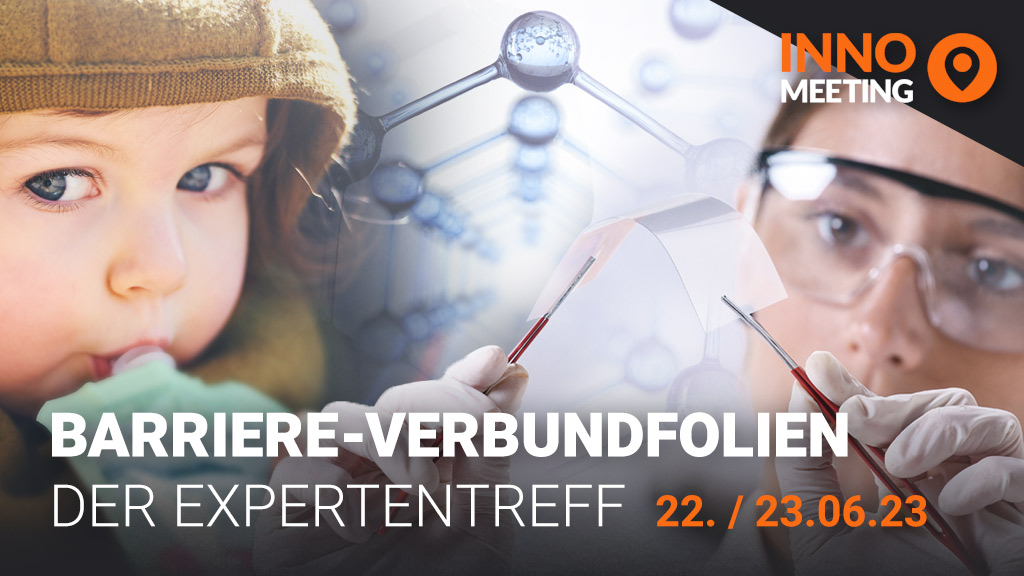
One thing is clear in Würzburg on 22 and 23 June 2023 – The mega trend in the packaging sector – recyclability – is also and especially affecting barrier films.
Based on presentations on food waste and the guiding principle of sustainability itself, it quickly becomes clear – barrier films will continue to drive the flexpack market. The 3 pillars of sustainability: economy, ecology and social issues must be taken into account in a more balanced way, says Hilmar Heithorst. We are currently focusing on recycling and thus on ecology, but if this is not also implemented socially and economically, it is not sustainable.
The primary task of packaging as a whole is to avoid food waste, emphasises Thomas Gröner. It is a shame that about one third of the food produced is not eaten. Some of it still spoils on its way from the field to the plate because barriers are missing and supply chains are too long. Here, too, Flexpack can help to avoid CO2 emissions.
Peter Olbrich has solutions for this with his vacuum coating systems and a lot of know-how to produce wafer-thin barrier layers of aluminium, aluminium oxide (transparent) and silicon oxide. Here there are market-driven systems for the production of extremely inexpensive and meanwhile also robust barriers against oxygen and water vapour. And the best thing is that these layers, which are only a few nanometres thin, do not interfere with any of the previous recycling processes, so that the polymeric carrier layers can be recycled and reused. Only metallisation leads to a slight greying of the rain protection films – “grey is the new green”.
Stefan Schiessl presents the Fraunhofer development results around nanocomposites, which can be used as barriers on paper, among other things. The systems, which can be applied with common painting and coating processes, are also recyclable and some of them are already commercially available.
Ben Raven is aiming in the same direction with its polyethylenes for mono- and even biaxially oriented PE films. Mono-material instead of multi-material for even better recycling of film packaging. New here are PE types with higher density for the recycling process, which can be recycled mechanically and chemically without problems.
Jiabril Gigli relies on aqueous barrier coatings and presents his high-performance systems that result in good to very good barrier values on both paper and film.
Thomas Schmitt reports on monoaxial stretching systems for blown film that stretch at the top of the bubble before the tube is laid flat. This saves energy because the bubble is still warm and increases the degrees of freedom in the process. One advantage is the improved flatness of such films.
Anna Helgert reports on thermoformed packaging that can also be material-reduced in construction. For example, meat can hardly be packaged more minimally in shrink packaging – but of course this is also possible with the thinnest films using barrier coextrudates.
Achim Grefenstein shares his new developments from the modular system, which are all based on monoaxially stretched blown films, with market competitors. We need to quickly achieve significant volume shifts from multi-material to mono-material. For Flexpack, he sees only 3 polymers in the medium term: polyethylene (PE), polypropylene (PP) and polyethylene terephthalate (PET). These films are all based on either PE or PP and can also be combined. The multi-layer, stretched blown film can be supplied – depending on the application – with or without a barrier.
Christian Lutze enlightens the plastics experts about the advantages and disadvantages of paper packaging. Mitsubishi supplies only virgin fibres for the food packaging market and relies on recyclable, water-based systems for barriers, which should not exceed the 5 % foreign matter limit for paper packaging. Oxygen, aroma, fat and water vapour barriers already exist in the medium barrier range. But even in the paper sector, recyclates are only hesitantly used for food packaging – for good reason!
Jochen Moesslein offers a fluorescent tracer not only to mark individual materials or layers, but to make entire recipes identifiable in the recycling stream. A tracer can therefore be provided with an entire recipe – ideally printed on packaging or as a label. The first industrial prototypes have already been developed with Zeiss, and from September recyclers will be able to carry out tests at Polysecure’s technical centre.
Andreas Peterhanwahr offers monitoring and quality assurance systems for regenerated films from a single source. Integration into the machine software and retrofitting are also possible.
Victor Trapp relies on bio-ormocers. This is where the circle closes, he says, referring to the impressive barrier properties of ormoceres – also based on biopolymers. Intensive work is also being done on the price. The fact that ormocers are used, among other things, to refine high and ultra-high barriers proves their raison d’être.
Lars Hancke finally describes the enormous variety of coatings with different barriers against UV light, grease, oxygen and water vapour that a coating and ink manufacturer can offer today. Deinking will also play a role here to make printed films and papers even more recyclable in the future. All together, less material, mono-material build-ups, deinking and a barrier adapted to the application will, in his opinion and the opinion of all participants and speakers, enable the way to a circular economy with barrier films.
We cannot do without them – that is the consensus.
Due to numerous requests, Innoform will also offer selected web seminars in English from April 2023. In the first half of the year, the focus will be on the topics of film packaging basics, production and application. After the video courses and Inno-Talks Europe, this is Innoform’s third offer for English-speaking interested parties. Innoform is thus following the internationalisation of the entire flexpack industry, its customers and suppliers.
The series starts with Dr. Heiko Schenk, an internationally experienced speaker from the flexpack industry.
Associations are pushing for the release of recyclates in direct contact with food. Supposedly, about 42 % of all plastic packagings are intended for food packaging. And therefore the effect of a CO2 reduction by the use of recyclates for food packaging is necessary.
EU-wide, new rules for the use of recycled plastics in contact with food, e.g. food packaging, will apply from 10 October 2022. Although certain transitional periods still apply until mid-2023, many plastics recyclers and processors must already prepare for the new regulations. Joint guidelines published today by the associations of the plastics processing industry (GKV and its supporting associations) and the plastics recyclers (BDE, bvse) will help them to do so.
The use of recycled plastics represents an important contribution on the way to a climate-neutral circular economy, because it reduces CO2 emissions in product manufacturing and dependence on fossil raw materials. Recyclates are already irreplaceable for products that come into contact with food, e. g. PET beverage bottles, and they are becoming increasingly important, explains Dr Andreas Bruckschen, Deputy Chief Executive of BDE e.V.
With the guidelines, plastics associations want to facilitate the application of the new regulations for plastics recyclers and processors and show ways and means of implementing the regulations, some of which are very complicated, explains Herbert Snell, Vice President of the Plastics Recycling Association in the bvse. Together, the three associations appeal to the EU Commission to implement its announcement and finally approve the PET recycling processes that have meanwhile been assessed as safe and thus create legal certainty for the industry.
The brochure can be downloaded free of charge from the associations’ websites.
Contacts for queries:
Dr. Martin Engelmann, m.engelmann@kunststoffverpackungen.de, Tel.: 06172-9266 76, Kaiser-Friedrich-Promenade 43, 61348 Bad Homburg
With the 11th amendment of Regulation (EU) no. 10/2011 two new substances have been added to the list of substances in annex I, and the specific migration limit for two listed substances (perchloric acid, salts (perchlorate) (FCM No 822) and phosphorous acid, mixed 2,4-bis(1,1-dimethylpropyl)phenyl and 4-(1,1-dimethylpropyl)phenyl triesters (FCM substance No 974 and CAS No 939402-02-5) have been amended.
Plastic materials and articles complying with Regulation (EU) No 10/2011 as applicable before the entry into force of this Regulation, may be placed on the market until 26 June 2019 and may remain on the market until exhaustion of stocks.
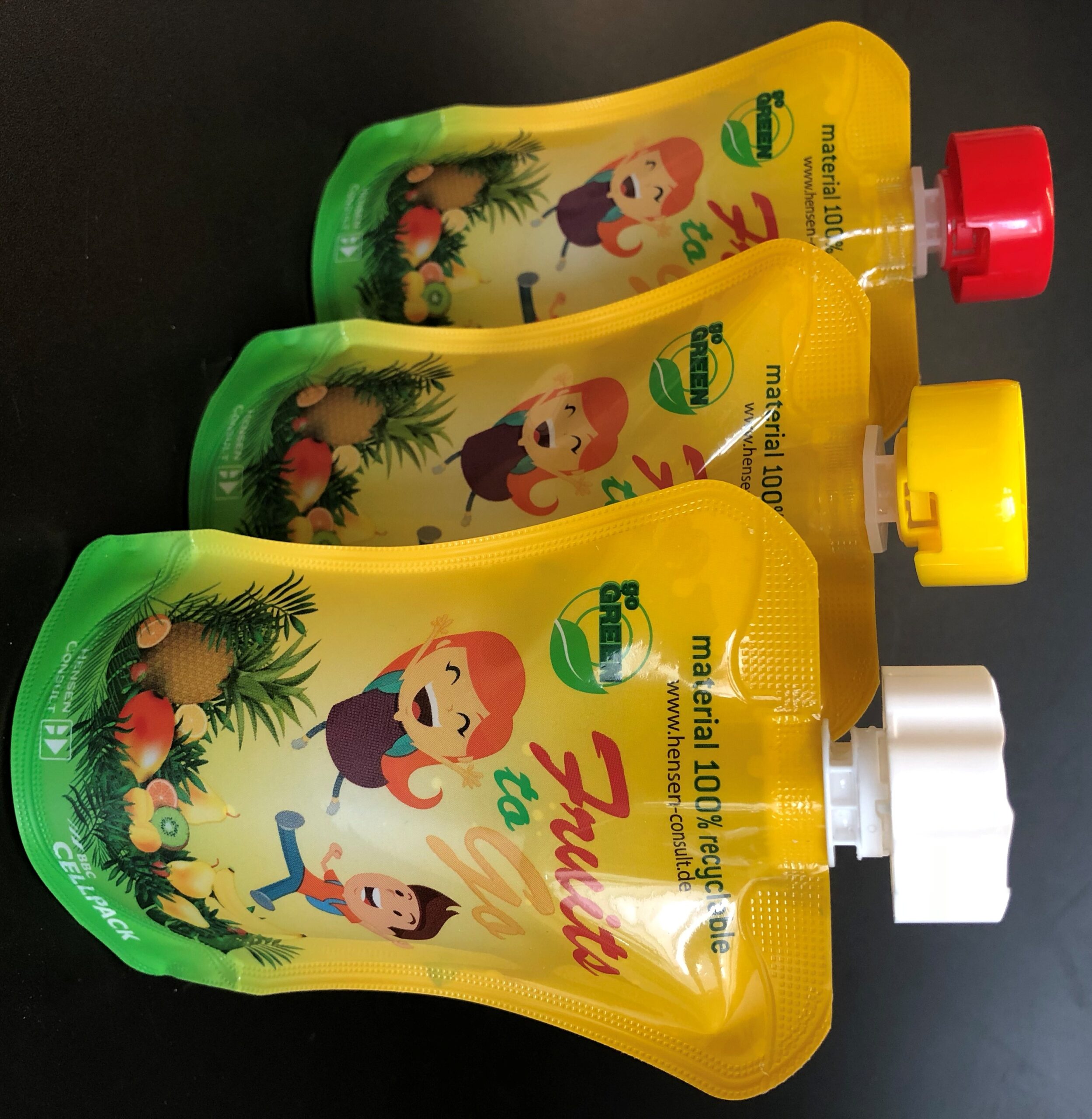
Together with Henno Hensen we organize the 6th European Stand-up Pouch Conference. One of the main topics this year will be the environmental service branch. You will find an interesting statement by Henno about one of his babies – the mono material SUP.
One for all – 100% polypropylene pouch solution
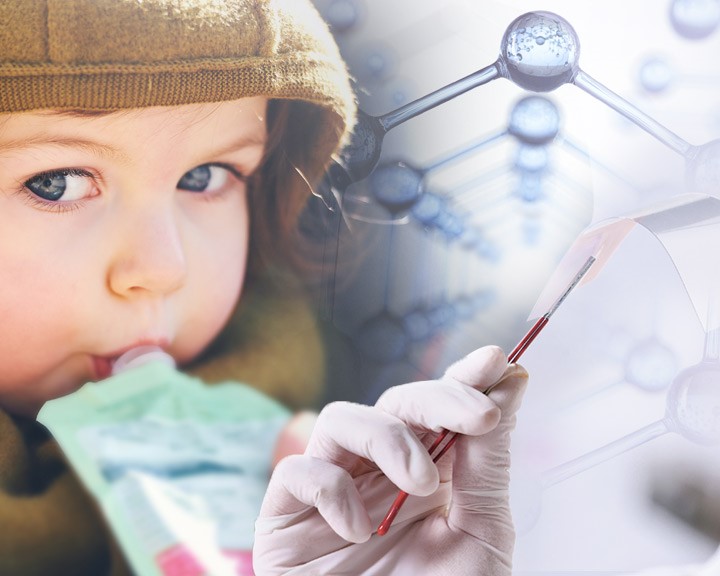
One of the priority requirements for future-proof packaging concepts made of plastic is that the solution should consist of a mono-material. At the latest with the entry into force of the new packing law in Germany for circular economy (KrWG) on 1.1.2019, factors such as recyclability, reuse and packaging design already designed for this purpose are of utmost importance. New pouches with spout made of 100% PP meet these criteria as well as they have the no less important properties of optimal product protection, assured transport properties as well as required information for consumers.
Hensen Consult has developed the entire process chain for this mono-material pouch with experienced partners and brought it to market maturity. This means that the PP pouches, which have been designed for use as food packaging and also for liquid products, comply with the specifications of the KrWG: they are designed in such a way that they can be recycled with existing sorting and recycling technologies. A certificate from Interseroh based on these pouches confirms the optimal design in terms of recyclability. Film, closure and converting process are now assembled into a functioning unit after long series of tests.
Attached you will get first samples of this development for a 130 ml pouch. In the near future, pouches up to 750 ml will be available. This mono-material pouch provides branded product manufacturers with a packaging solution that avoids packaging waste and enables reuse in the context of the circular economy.